The undereye area is often the first place the face shows aging, and it is consistently the hardest to treat. The skin is the thinnest on the entire face, the tissue structure is delicate, and the proximity to the eye requires any treatment in this zone to be carefully selected and precisely applied.
Creams improve surface hydration but do not address the structural changes causing crepey texture and fine lines. Filler treats hollowness and tear troughs but does not improve the skin quality itself. Many energy-based treatments require additional precautions or careful patient selection when applied near the periorbital zone.
NeoGen Plasma Skin Regeneration is an FDA-cleared energy-based treatment that can be used for periorbital rejuvenation when performed by an experienced provider. At BlueDivine Aesthetics in Buckhead, Atlanta, it is applied as a precise undereye treatment that addresses the structural quality of the periorbital skin where aging is most visible. This guide explains exactly how it works, what it can and cannot improve, and what to realistically expect.
Why Is the Undereye Area So Difficult to Treat?
The periorbital skin, the skin directly around and beneath the eye, is the thinnest skin on the human face. It is approximately 0.5 millimeters thick, roughly four times thinner than skin on most other facial zones. This extreme thinness means the area loses structural support faster than anywhere else on the face, and it responds to aging-related changes in collagen and elastin more visibly and more quickly.
The challenge with treating this zone goes beyond its delicacy. The eye orbit sits immediately beneath the periorbital skin. Many energy-based treatments require careful patient selection, appropriate protective measures, and precise calibration when used near the eye because the anatomy of this zone differs significantly from other facial areas. This is why the periorbital area demands more clinical consideration than the cheeks, forehead, or neck.
Ablative CO2 lasers and certain RF devices are effective on other facial zones and are performed near the eyes by experienced providers with appropriate protocols and protective measures. However, they require more careful patient selection in this zone, particularly for patients with medium to deeper skin tones where the risk of post-inflammatory hyperpigmentation is more meaningful.
NeoGen takes a different approach. Its nitrogen plasma energy delivers thermal stimulation into the dermis while preserving the outer skin layer throughout treatment. The outer skin layer acts as a natural protective surface during the process, which is part of what makes NeoGen a clinically appropriate choice for periorbital rejuvenation when performed by an experienced provider.
What Does NeoGen Plasma Actually Do to Undereye Skin?
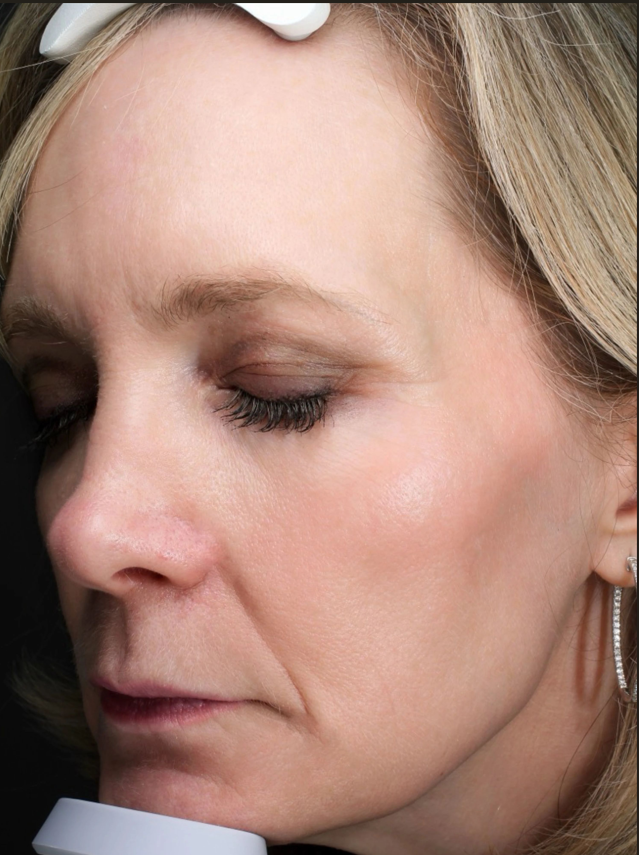
NeoGen’s mechanism in the undereye zone is the same as elsewhere on the face, but its application here is particularly useful because the periorbital area requires treatments that can deliver dermal stimulation while preserving the outer skin layer.
When nitrogen plasma energy is delivered into the thin periorbital dermis, it triggers a thermal response at the tissue level. This thermal signal activates fibroblast cells, the skin’s collagen-producing cells. These cells respond by increasing production of structural collagen and elastin. The result is a progressive improvement in the structural quality of the periorbital skin over weeks and months as new collagen builds within it.
What NeoGen visibly improves in the undereye zone: crepey skin texture, the thin tissue-paper-like appearance caused by collagen loss in the dermis. Fine lines and surface wrinkles at the undereye and lower eyelid. Mild skin laxity where the periorbital skin has begun to lose its firmness. Skin tone and quality irregularities caused by photodamage or the general thinning of the periorbital dermis over time.
What NeoGen does not treat in the undereye zone: hollowness and tear troughs caused by volume loss in the fat pads beneath the skin or by bone resorption in the orbital rim. These structural changes require filler to address. NeoGen can improve the quality of the skin sitting above a tear trough, but it cannot fill the trough itself. Patients with both concerns often benefit from filler for the structural hollowness and NeoGen for the overlying skin quality.
According to FDA clearance documentation, NeoGen PSR is cleared for skin resurfacing and regeneration. Its mechanism of preserving the outer skin layer while delivering thermal regenerative energy into the dermis beneath it supports its clinical application in the periorbital zone.
| BLUEDIVINE AESTHETICS
Many patients believe every dark circle is caused by pigmentation. In clinical practice, dark circles result from several distinct causes: skin thinning that makes underlying structures more visible, shadowing created by volume loss in the tear trough, visible blood vessels through thin periorbital skin, or a combination of these factors. NeoGen addresses skin thinning and surface quality. Filler addresses structural hollowness. Identifying the actual cause before treatment prevents patients from investing in a solution that does not match their specific concern. At BlueDivine Aesthetics, VISIA 3D Skin Analysis maps the periorbital condition before any treatment recommendation is made. |
How Does NeoGen Undereye Treatment Compare to Other Options?
Patients researching undereye aging treatment in 2026 typically consider multiple options. These options are not equivalent, and they address different aspects of the same problem. Understanding which treatment addresses which concern prevents patients from investing in the wrong solution.
Undereye Treatment Comparison: NeoGen vs Alternatives
| Treatment | What It Treats in the Undereye Zone | Periorbital Safety | Downtime | Dark Skin Safety | Longevity |
| NeoGen PSR | Crepey texture, fine lines, mild laxity, skin quality and tone | Yes — outer skin layer preserved throughout | 3 to 7 days | Yes, all Fitzpatrick types | Collagen remodeling continues for many months |
| Botox | Dynamic crow’s feet and expression lines at the outer corner only | Yes — precise injection placement | None | Yes | 3 to 6 months |
| Dermal Filler | Volume loss, tear troughs, hollowness — not surface texture | Yes — precise injection placement | Minimal | Yes | 9 to 18 months |
| CO2 Laser | Surface resurfacing, pigmentation, fine lines | Requires careful patient selection and eye protection protocols | 10 to 14 days | Additional precautions for types IV to VI | 1 to 3 years |
| RF Microneedling | Mild laxity, texture, collagen stimulation | Use with careful calibration near orbit | 3 to 5 days | Generally safe | 12 to 18 months |
| Topical Retinoids | Surface fine lines, mild texture improvement over time | Safe with appropriate eye area formulas | None | Yes | Ongoing — requires daily use |
The clearest way to read this table: NeoGen, Botox, and filler all play roles in undereye rejuvenation, but they address completely different concerns. NeoGen improves skin quality and structural collagen. Botox relaxes dynamic expression lines at the outer corner. Filler restores volume in the hollow tear trough. Many patients who achieve the best undereye results use a planned combination of all three, with each treatment addressing the specific layer of aging it is designed for.
CO2 laser and RF microneedling are effective treatments for various facial concerns, and experienced providers perform them near the eyes with appropriate precautions and protective measures. For patients with medium to deeper skin tones in Atlanta specifically, NeoGen’s non-ablative mechanism offers a periorbital option with a different risk profile for that patient population. According to the American Society of Plastic Surgeons, non-surgical periorbital rejuvenation continues to grow as patients seek effective undereye improvement with manageable recovery.
How Many Sessions Does NeoGen Undereye Treatment Require?
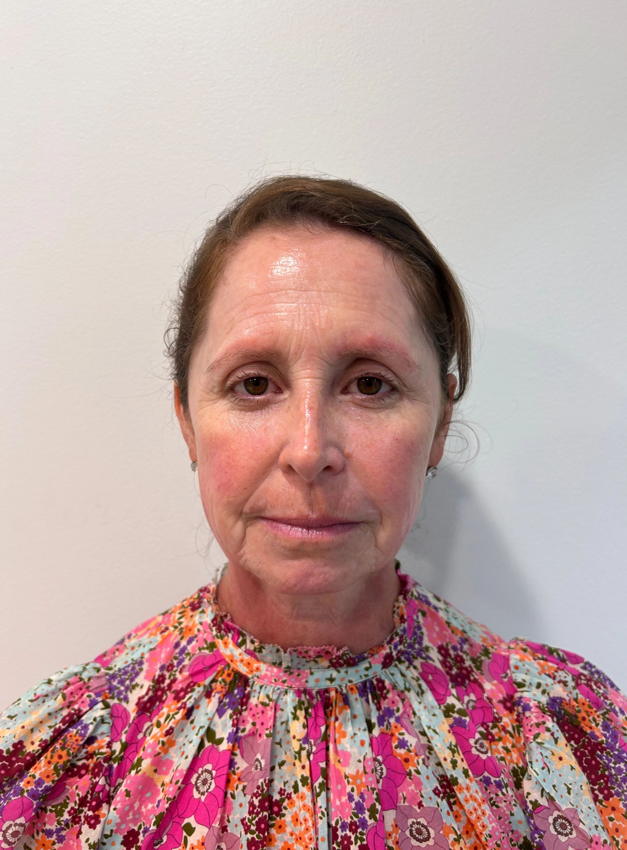
The number of sessions depends on the severity of the undereye concern and what the patient wants to address.
For mild crepiness, early fine lines, and surface texture improvement, one to two sessions typically produces meaningful, visible improvement. The skin quality change is noticeable even after a single well-planned session when the concern is at an early to moderate stage.
For more significant undereye aging, including pronounced crepey texture, established fine lines, and mild periorbital laxity, two to three sessions spaced appropriately deliver stronger structural improvement. Each session adds another round of collagen stimulation, and the cumulative effect builds progressively.
The results timeline for NeoGen undereye treatment follows the same pattern as other facial zones. Surface renewal is typically visible within the first one to two weeks as the outer skin layer completes its natural shedding. Structural collagen and elastin improvement becomes noticeable between weeks four and twelve. Collagen remodeling continues for many months after treatment as the periorbital dermis rebuilds at depth.
Patients who assess results at two weeks are looking at the beginning of the process. The most meaningful change in skin quality, firmness, and texture in the undereye zone is visible at months two through six. VISIA 3D Skin Analysis at BlueDivine before each session maps the periorbital skin condition and collagen activity, which allows the provider to track actual structural changes rather than relying on surface appearance alone.
Is NeoGen Undereye Treatment Safe for All Skin Tones?
The undereye and periorbital zone presents a skin tone safety consideration that most treatment guides for this area do not address. The periorbital skin is sensitive and can carry more melanin in some patients, particularly those with medium to deeper skin tones. This means the consideration around hyperpigmentation near the eye area is not identical to other facial zones.
Some ablative devices and certain fractional energy treatments require additional precautions in the periorbital zone for patients with Fitzpatrick skin types IV through VI. The combination of delicate skin and the inflammatory response of ablation is a meaningful consideration that prompts experienced providers to modify protocols or patient selection criteria.
NeoGen’s nitrogen plasma mechanism does not target chromophores or seek out melanin. The thermal energy is delivered into the dermis based on tissue response rather than pigment presence. This is what makes NeoGen suitable across all Fitzpatrick skin types in the undereye zone when treatment planning is performed appropriately.
Patients with a history of post-inflammatory hyperpigmentation in the periorbital zone or elsewhere should have their skin assessed before NeoGen undereye treatment. Energy level selection matters. At BlueDivine Aesthetics in Atlanta, every NeoGen patient receives a VISIA 3D Skin Analysis before treatment. In the undereye zone specifically, VISIA maps pigmentation patterns and UV damage in the periorbital area, informing energy level and post-care protocol to support the safest possible outcome for every skin tone.
Who Should Not Get NeoGen Undereye Treatment?
Knowing when to wait or pursue a different approach is as important as knowing when NeoGen is appropriate.
Active eye infections or any active infection in the periorbital zone is a contraindication. Treatment must be postponed until the infection has fully resolved.
Recent eye surgery, including LASIK, cataract surgery, or eyelid procedures, requires a waiting period before NeoGen treatment near the periorbital zone. The specific waiting period should be confirmed with the operating surgeon and the NeoGen provider before booking.
Severe tear trough hollowing is not the right primary indication for NeoGen as a standalone treatment. Patients whose primary concern is hollowness and structural volume loss beneath the eye need filler as their first intervention. NeoGen can complement filler treatment for the overlying skin quality, but it cannot substitute for volumetric correction.
Pregnancy is a contraindication. Active inflammatory skin conditions in the periorbital zone, including eczema flares or contact dermatitis, require postponement until the condition stabilizes. Certain medications may also affect suitability. Patients taking photosensitizing medications or specific topical actives around the eye area should disclose these during consultation.
What Does Recovery Look Like After NeoGen Undereye Treatment?
Recovery in the periorbital zone follows the same general stages as NeoGen recovery elsewhere, but the undereye area is smaller and the skin is thinner, so the process tends to be faster and the visible signs are milder than on larger facial zones.
Days 1 to 2: The treated area feels warm and may appear slightly pink or red. Mild swelling near the eyes is common in the first 48 hours, particularly if the lower eyelid area was included. This swelling resolves on its own and is not a sign of a problem. The outer skin layer remains intact throughout.
Days 3 to 7: A mild bronzing or darkening of the treated periorbital skin develops as the outer layer completes its natural shedding phase. This is normal and expected. Do not pick or assist the shedding manually. A new, smoother skin layer emerges beneath as the shedding completes.
When makeup is appropriate: avoid makeup in the treated area during the active bronzing and shedding phase, typically days 1 through 5 or 6. Once the majority of shedding has settled, gentle mineral makeup can be applied carefully. Confirm timing with your provider based on your specific session intensity.
When to contact your provider: if swelling around the eye area is increasing rather than improving after day 3, if you notice unusual discharge, increasing pain, or signs of infection, contact BlueDivine directly rather than waiting. Most NeoGen undereye recovery is uneventful, but the periorbital zone warrants prompt attention if anything falls outside the expected pattern.
Pros and Cons of NeoGen Plasma for Undereye Tightening
| Pros | Cons |
| An FDA-cleared energy-based treatment that can be used for periorbital rejuvenation when performed by an experienced provider. Preserves the outer skin layer throughout treatment, avoiding the surface ablation of traditional ablative lasers. | Does not address volume loss or tear troughs. Hollowness caused by fat pad atrophy or bone resorption requires filler. NeoGen improves skin quality but cannot restore structural volume in the undereye zone. |
| Improves crepey texture, fine lines, and skin quality in the thin periorbital skin where the visible signs of undereye aging originate. Results are structural, not surface-only. | Results build progressively over weeks and months. Patients who expect dramatic change within 2 weeks will be disappointed. The real improvement is visible at weeks 8 to 12 and continues beyond that. |
| Suitable across all Fitzpatrick skin types in the periorbital zone. Does not target melanin, which reduces hyperpigmentation risk that certain ablative devices carry near this sensitive area when appropriate precautions are not in place. | Mild social downtime of 3 to 7 days is expected. The undereye area may appear bronzed and shed during recovery. Patients need to plan around social and work commitments for this window. |
| Collagen and elastin improvement continues for many months after treatment. Structural skin quality in the periorbital zone genuinely improves over the full collagen remodeling timeline. | 2 to 3 sessions may be needed for significant undereye aging. One session produces improvement but patients with more advanced crepiness or laxity typically benefit from a second session. |
Frequently Asked Questions
Can NeoGen plasma tighten undereye skin?
Yes. NeoGen PSR is an FDA-cleared energy-based treatment that can be used for periorbital rejuvenation when performed by an experienced provider. It delivers nitrogen plasma energy into the thin undereye dermis, stimulating collagen and elastin production. This improves crepey texture, fine lines, and mild skin laxity. It does not address hollowness or tear troughs from volume loss, which requires filler. A VISIA 3D Skin Analysis at BlueDivine Aesthetics in Atlanta determines whether NeoGen is appropriate for each patient’s specific undereye concern.
Will NeoGen remove dark circles under my eyes?
A: It depends on what is causing the dark circles. NeoGen improves dark circles caused by skin thinning, where the skin becomes thin enough that underlying structures create a dark appearance. It also addresses pigmentation-related darkness from sun damage. It does not treat dark circles caused by vascular issues, structural hollowness, or tear troughs, which have different underlying causes. A VISIA analysis helps identify the actual cause before any treatment is recommended.
How many sessions do I need for NeoGen undereye treatment?
Most patients need 1 to 2 sessions for mild to moderate undereye crepiness and fine lines. More significant textural aging or mild laxity typically benefits from 2 to 3 sessions. Surface renewal is visible within 1 to 2 weeks. Structural collagen improvement becomes noticeable at weeks 4 to 12. Collagen remodeling continues for many months after treatment. BlueDivine uses VISIA 3D Skin Analysis before each session to assess progress and determine whether additional sessions would produce meaningful further improvement.
Is NeoGen undereye treatment safe for darker skin tones?
Yes. NeoGen’s nitrogen plasma mechanism does not target melanin, which makes it suitable across all Fitzpatrick skin types in the periorbital zone when treatment planning is performed appropriately. BlueDivine Aesthetics in Atlanta has specialized in multiethnic skin care for 13 years. Every NeoGen undereye patient receives a VISIA assessment that maps periorbital pigmentation patterns before energy level selection to support the safest outcome for every skin tone.
What is the difference between NeoGen undereye treatment and filler?
They solve different problems. NeoGen improves skin quality: crepey texture, fine lines, and the structural collagen of the thin periorbital skin. Filler addresses volume loss: hollowness, tear troughs, and the sunken appearance caused by fat pad atrophy beneath the skin. NeoGen cannot fill a tear trough. Filler cannot improve crepey skin texture. Many patients benefit from both, with filler addressing structural hollowness and NeoGen improving the overlying skin quality.
What does recovery look like after NeoGen undereye treatment?
Days 1 to 2 bring mild warmth, redness, and possible swelling around the eyes. Days 3 to 7 involve a bronzing and natural shedding phase as the outer skin layer completes its renewal. Social downtime runs approximately 3 to 7 days. Avoid makeup in the treated area until shedding settles. Avoid picking at the skin during this phase. If swelling increases after day 3 or you notice signs of infection, contact your provider promptly. Most patients find undereye recovery faster than larger facial zones because the treated area is smaller.
NeoGen Undereye Treatment at BlueDivine Aesthetics in Atlanta
BlueDivine Aesthetics at 107 West Paces Ferry Road in Buckhead has used NeoGen PSR for periorbital and undereye rejuvenation for over 13 years. Every undereye NeoGen session begins with a VISIA 3D Skin Analysis that maps the periorbital skin condition, pigmentation patterns, and collagen activity before any energy level is selected.
Founder Kalen Wheeler’s board-certified expertise and long-standing focus on multiethnic skin care means undereye NeoGen treatment at BlueDivine is calibrated for every skin tone safely and effectively. A complimentary virtual consultation is available for anyone wanting to discuss their undereye concerns and whether NeoGen is the right approach before booking in person.
Ready to address undereye aging with NeoGen at BlueDivine?
Book a VISIA 3D Skin Analysis or a complimentary virtual consultation at BlueDivine Aesthetics, Buckhead Atlanta. Visit bluedivine.zenoti.com/webstoreNew/services to schedule.