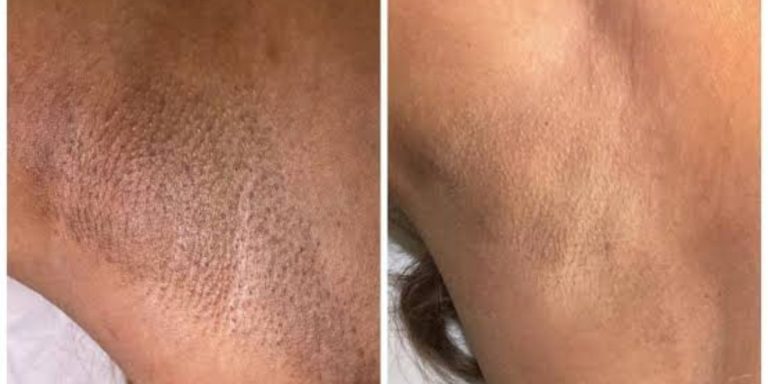
Both NeoGen plasma and CO2 laser resurfacing address overlapping skin concerns. Both stimulate collagen. Both may improve skin tone, texture, and the visible signs of aging. Yet they work through different mechanisms, carry different recovery timelines, and suit different patients in different ways.
This article explains the practical differences between the two treatments so you can understand your options before scheduling a consultation. For a full introduction to NeoGen specifically, the complete NeoGen plasma treatment guide is a useful starting point.
What Are These Two Treatments
What Is NeoGen Plasma Treatment
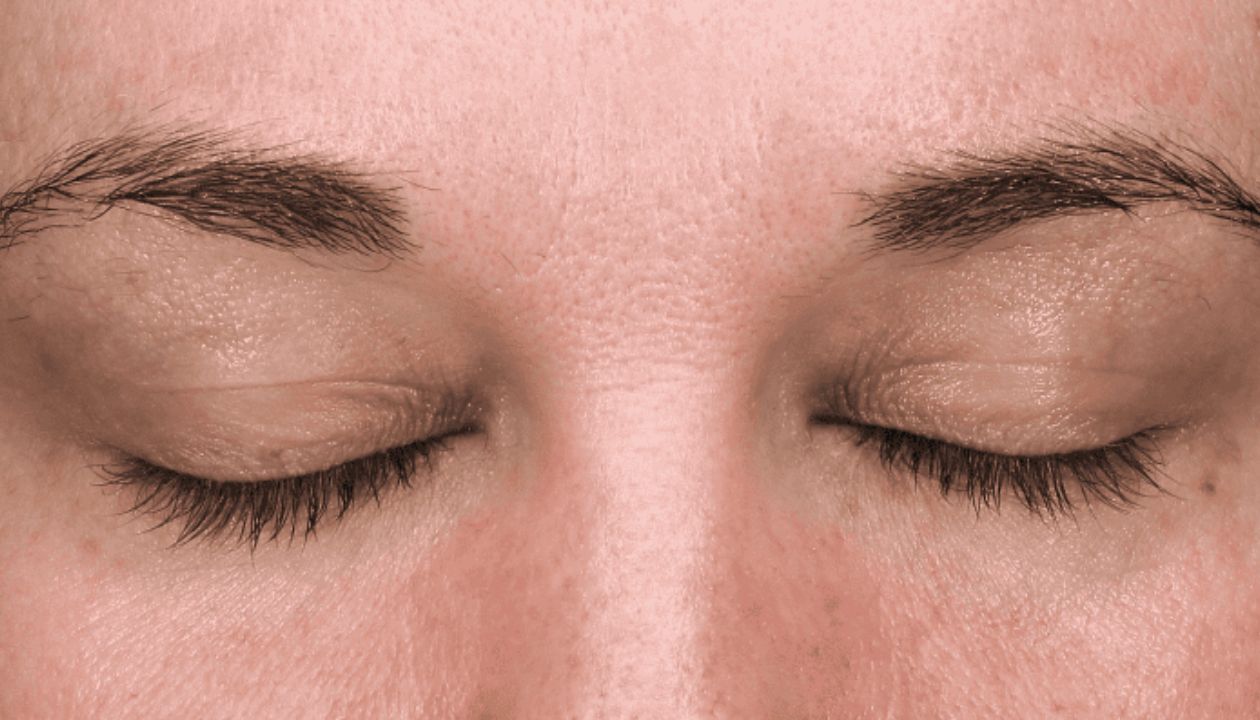
NeoGen PSR stands for Plasma Skin Regeneration. It is an FDA-cleared, non-surgical treatment that uses nitrogen plasma energy — not light — to support the skin’s natural renewal process. The treatment works across the full surface of the treated area simultaneously, stimulating collagen and elastin production while keeping the outer skin layer intact. Further detail is available on the NeoGen PSR treatment page at Blue Divine Aesthetics.
What Is CO2 Laser Resurfacing
CO2 laser resurfacing is a light-based treatment that uses concentrated carbon dioxide laser energy to remove damaged outer skin layers and stimulate collagen production. It has a well-established clinical track record for addressing texture, scars, and surface irregularities.
One important distinction is that CO2 resurfacing includes two meaningfully different versions. Traditional fully ablative CO2 removes the entire skin surface and typically involves 10 to 14 days of recovery. Modern fractional CO2, such as CoolPeel, treats microscopic zones of the skin while leaving surrounding tissue intact. This produces a reduced downtime profile of 5 to 7 days and lowers the overall recovery burden compared to traditional ablative CO2. Blue Divine Aesthetics offers CoolPeel fractional CO2 resurfacing. This distinction is relevant when comparing these two treatment categories.
How Each Treatment Works on Your Skin
How NeoGen Plasma Works
NeoGen converts medical-grade nitrogen gas into plasma energy using an ultra-high frequency generator. When this plasma energy reaches the skin, it delivers a precise thermal response. The outer skin layer remains intact throughout the treatment. It does not open, vaporize, or peel during the session itself. Instead, the outer layer continues functioning as a natural protective barrier while deeper skin layers begin their repair and regeneration process. Fibroblast cells activate and begin producing new collagen and elastin. This process continues to develop for several months after the session.
How CO2 Laser Works
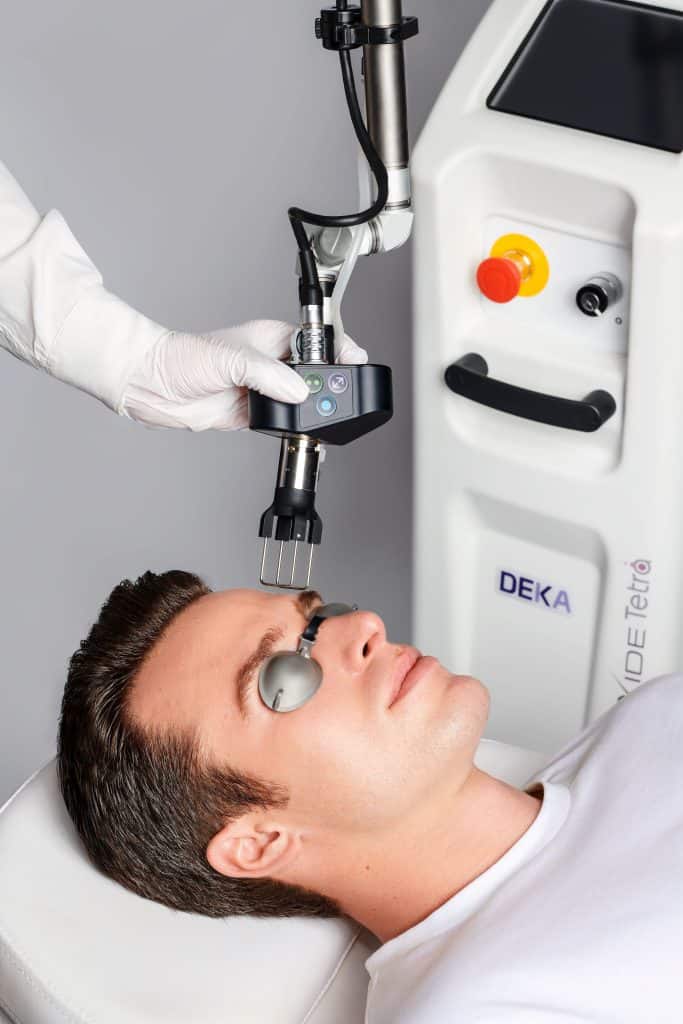
CO2 laser energy targets the water content in skin cells. As it enters the skin, it creates a controlled removal of the outer skin layer. In traditional fully ablative CO2, the entire surface opens. In fractional CO2 like CoolPeel, the laser creates a grid of microscopic treatment zones with untreated tissue between each column. This surrounding tissue supports healing and contributes to the shorter recovery profile of fractional compared with fully ablative approaches. Both versions stimulate collagen as part of the skin’s repair response.
The Key Mechanical Difference and Why It Matters
NeoGen keeps the outer skin layer intact throughout treatment. CO2 laser, to varying degrees depending on the version used, opens the skin surface during resurfacing. This difference influences recovery time, the nature of the healing process, suitability for different skin tones, and the type of aftercare required.
Because NeoGen does not create a disrupted surface, the intact outer layer may reduce infection-related risks compared with fully ablative resurfacing. Most patients do not require sedation or strong numbing agents, and treatment does not require a specialized medical facility. The outer layer continues functioning as a protective barrier while the skin below heals, bronzing and shedding naturally over several days.
CoolPeel fractional CO2 has a significantly shorter recovery profile compared with traditional ablative CO2, but the fractional treatment zones do create microscopic openings in the tissue. Appropriate aftercare and sun protection are important during the recovery period.
What Skin Concerns Does Each Treatment Address
Fine Lines and Wrinkles
Both treatments stimulate collagen and may reduce the appearance of fine lines and wrinkles. NeoGen addresses the full surface area in a single session, while CoolPeel CO2 delivers concentrated resurfacing within the fractional zones it targets. For surface lines and mild to moderate wrinkling, both options may produce meaningful improvement. The most suitable choice depends on skin tone, recovery tolerance, and whether skin laxity is also a concern.
Acne Scars
Both treatments address acne scarring. CoolPeel fractional CO2 is frequently used for very deep, isolated scarring because fractional resurfacing can be targeted at scar depth with precision. For patients with medium to deeper skin tones, NeoGen is often chosen for acne scar treatment because CO2 laser may increase the likelihood of post-inflammatory hyperpigmentation in those skin types. Treatment suitability depends on skin type, risk profile, and recovery tolerance.
Pigmentation and Sun Damage
NeoGen does not rely on melanin as a target. Because it uses plasma energy rather than light, it may reduce certain pigmentation-related concerns associated with light-based treatments. CO2 laser uses light energy, and for patients with Fitzpatrick skin types IV to VI — olive, brown, and deep brown tones — there is a higher likelihood of post-inflammatory hyperpigmentation (PIH) with CO2 than with NeoGen. For pigmentation concerns across a range of skin tones, NeoGen is often considered an appropriate option.
Melasma-Prone Skin
Melasma requires careful treatment selection. CO2 laser resurfacing is generally not considered appropriate for patients with active melasma. The thermal and light-based energy may trigger a melasma flare in susceptible patients. NeoGen is often considered for patients who have melasma alongside other concerns such as texture, laxity, or early signs of aging, as its mechanism does not target melanin as a chromophore. Patients with a history of melasma should disclose this to their provider before any energy-based treatment.
Skin Laxity and Tightening
NeoGen is often chosen when skin laxity is a primary concern. Because it works across the full surface simultaneously and stimulates collagen through the skin’s tissue structure rather than in fractional columns, it may produce a more comprehensive tightening effect. CoolPeel CO2 is primarily a resurfacing treatment. It produces some collagen remodeling, but it is not designed primarily for addressing sagging or loss of firmness. For patients whose main concern is a softening jawline, loose neck skin, or reduced facial firmness, NeoGen is frequently the starting point.
The Under-Eye and Eyelid Area
NeoGen can be used around the upper and lower eyelid area with appropriate protocols. This is a notable capability, as not all energy-based devices are suitable for this delicate zone. Traditional CO2 laser carries meaningful risk near the eye area. CoolPeel, being fractional, has a shorter recovery profile compared with traditional CO2 but still requires careful provider judgment in this region. For patients concerned about under-eye skin quality or eyelid laxity, NeoGen is frequently considered an appropriate option.
Downtime : What to Realistically Expect
NeoGen Plasma Recovery
Recovery with NeoGen depends on the energy level the provider selects. Low-energy treatments typically involve 1 to 3 days of social downtime with mild redness and warmth. High-energy treatments may involve 4 to 9 days. Between days 3 and 4, the skin takes on a natural bronze tone. Around days 5 to 7, a thin outer layer sheds naturally, revealing newer skin forming underneath. Patients are advised not to disturb or remove this layer, as it continues functioning as a protective barrier during healing. The overall process is self-contained and does not require specialized facilities.
CoolPeel CO2 Recovery at Blue Divine Aesthetics
CoolPeel fractional CO2 typically involves 5 to 7 days of social downtime. Because it uses a fractional rather than fully ablative approach, recovery carries a lower burden than traditional CO2. Redness and mild sensitivity are expected in the days following treatment, with gradual improvement as the fractional zones heal. Consistent sun protection and provider-directed aftercare are important throughout recovery.
Traditional CO2 Recovery — For Context
Traditional fully ablative CO2, which Blue Divine Aesthetics does not offer, involves 10 to 14 days of recovery. The entire skin surface opens, requiring a controlled medical environment and more complex aftercare. This context is useful when reading older comparison articles online, many of which describe this traditional version rather than modern fractional options such as CoolPeel.
Planning Around Your Schedule
NeoGen’s intact outer layer makes it the more logistically straightforward option for most patients. No open skin surface means the recovery process is self-contained, specialized facilities are generally not required, and the timeline is predictable. For patients with limited availability, low to medium energy NeoGen offers the shortest social downtime window between the two options.
Skin Tone Safety Considerations
Skin tone is one of the most important factors in treatment selection for any energy-based procedure. According to the American Society of Plastic Surgeons, demand for non-surgical skin treatments has grown consistently across all demographics, with patients of diverse backgrounds seeking options appropriate for their individual skin type.
CO2 laser energy is light-based. For patients with Fitzpatrick types IV, V, and VI — olive, medium brown, and deep brown skin tones — there is a meaningful risk of post-inflammatory hyperpigmentation and pigmentary changes following both ablative and fractional CO2 resurfacing. CoolPeel reduces this risk compared with traditional CO2, but a careful provider assessment remains important for any patient in this range.
NeoGen plasma energy does not target melanin as part of its mechanism. Because it uses plasma rather than light, it may be appropriate across a wide range of skin tones when performed with suitable protocols and an experienced provider. With correct energy calibration and a thorough pre-treatment assessment, NeoGen may be suitable across a broad range of skin types.
At Blue Divine Aesthetics in Buckhead, Atlanta, treating patients of all skin tones and ethnicities has been a specific clinical focus since 2012. Every treatment begins with a VISIA 3D Skin Analysis, which maps the skin’s surface and sub-surface condition before any protocol is selected. This ensures treatment planning is based on individual skin data rather than general assumptions.
Can NeoGen Plasma and CO2 Laser Be Used Together
Combination protocols using both treatments exist and may be appropriate for some patients. The two treatments address different aspects of skin aging, which is why they can complement each other in a planned course of treatment.
NeoGen addresses overall skin regeneration, tightening, and the deeper tissue structure simultaneously. CoolPeel CO2 delivers targeted resurfacing of surface texture and specific pigmentation concerns. For patients where both areas of concern are present, a provider may design a protocol that uses each treatment at an appropriate time to address the full range of goals.
Timing and sequencing in a combined approach requires careful planning. At Blue Divine Aesthetics, a VISIA 3D Skin Analysis helps determine whether a combined protocol is suitable or whether a single treatment is the better starting point. This decision depends on the individual’s skin condition, goals, and recovery availability.
NeoGen Plasma vs CO2 Laser — Side by Side Reference
The table below is a general reference across key practical factors. Individual suitability varies by patient and is best confirmed during a consultation with a qualified provider.
| Factor | NeoGen Plasma | CoolPeel CO2 Laser | Traditional CO2 |
| Technology used | Nitrogen plasma energy | Fractional light energy | Fully ablative light energy |
| Outer skin layer | Remains intact throughout | Partially intact — fractional zones | Opens fully during resurfacing |
| Social downtime | 1 to 9 days depending on energy level | 5 to 7 days | 10 to 14 days |
| Patients with deeper tones | May be appropriate across Fitzpatrick IV-VI | Requires careful provider assessment | Requires careful provider assessment |
| Skin laxity concerns | Often chosen when laxity is a primary aim | May provide moderate improvement | May provide moderate improvement |
| Surface texture | May reduce texture irregularities | Frequently used for surface resurfacing | Frequently used for surface resurfacing |
| Around the eye area | Can be used with appropriate protocols | Requires careful provider assessment | Requires careful provider assessment |
| Melasma-prone skin | Often considered for melasma-prone skin | Requires careful provider assessment | Generally not considered appropriate |
| Medical facility | Generally not required | Generally not required | Often required |
| Sedation or strong numbing | Most patients do not require | Most patients do not require | Sometimes required |
Considerations for Each Treatment
NeoGen Plasma — What May Work in Its Favor
NeoGen works across the full surface area simultaneously rather than leaving untreated zones between fractional columns. The intact outer layer may reduce infection-related risks and means the treatment does not require specialized facilities or sedation for most patients. It is often considered across a range of skin tones including Fitzpatrick types IV to VI with appropriate protocols. It may address laxity, texture, tone, fine lines, and pigmentation in a single treatment course. It can be used around the delicate eyelid area with appropriate protocols and is often considered for patients with melasma where CO2 is not an appropriate option.
NeoGen Plasma — What to Consider Before Booking
NeoGen may not be the primary choice for very deep, isolated acne scars where fractional CO2 may offer more targeted resurfacing depth. Results develop progressively over several months as collagen remodeling continues, and patients should understand that the full outcome is not visible in the first few weeks. Choosing a provider with experience in diverse skin types and NeoGen protocols is important because energy settings are customized per patient.
CoolPeel CO2 Laser — What May Work in Its Favor
CoolPeel fractional CO2 has a well-established track record for surface resurfacing. It may deliver meaningful improvement for texture irregularities, deep acne scars on lighter skin tones, and significant pigmentation from sun damage. The fractional approach produces results with a reduced downtime profile compared with traditional fully ablative CO2. For lighter skin tones with primarily surface concerns, it is a frequently used and well-studied approach.
CoolPeel CO2 Laser — What to Consider Before Booking
CoolPeel may increase the likelihood of pigmentary changes for patients with Fitzpatrick types IV to VI compared with NeoGen. It is generally not considered appropriate for patients with active melasma or a significant history of pigmentary reactions. It is not primarily designed for addressing skin laxity. Recovery of 5 to 7 days requires scheduling consideration. Provider experience with diverse skin types is important for consistent outcomes.
Which Treatment May Suit You
The most suitable option depends on your skin type, primary concerns, and recovery availability. Three common patient profiles help illustrate how this decision is typically approached in a clinical setting.
Skin Laxity Is the Primary Concern
For patients whose main concern is sagging skin, a softening jawline, loose neck skin, or reduced facial firmness, NeoGen is often the starting point regardless of skin tone. Its full-surface collagen stimulation and tightening mechanism is frequently preferred for laxity in a way that CoolPeel resurfacing does not address directly.
Deep Surface Texture on Lighter Skin Tones
For patients with deep acne scarring or significant surface texture irregularities and a Fitzpatrick skin type of I, II, or III, CoolPeel CO2 may offer the targeted resurfacing depth appropriate for their concerns. A provider assessment will confirm whether skin tone and history make fractional CO2 a suitable option.
Multiple Concerns Across the Face
For patients with a combination of laxity, surface texture, pigmentation, and tone concerns, a combined protocol may address the full picture more comprehensively. A VISIA 3D Skin Analysis at Blue Divine Aesthetics gives the provider the data to determine whether a single treatment or a combined approach best matches each patient’s individual goals.
The Role of Treatment Planning and Provider Experience
Outcomes vary depending on treatment planning and provider experience. The quality of the pre-treatment skin assessment, the accuracy of energy calibration, and the appropriateness of aftercare are all factors that influence results from both NeoGen and CoolPeel CO2.
NeoGen energy settings are customized for each patient’s skin type, concern, and energy tolerance. CoolPeel protocol depth and density are also provider-driven decisions. Choosing a provider who conducts a thorough assessment before treatment — and who has hands-on experience with diverse skin types — is part of the decision-making process when comparing clinics.
Blue Divine Aesthetics has focused specifically on treating patients of all ethnicities and skin tones since opening in 2012. Founder Kalen Wheeler brings over 13 years of dedicated experience with advanced aesthetic technologies and diverse skin types. Every new patient begins with a VISIA 3D Skin Analysis, which provides detailed data on surface and sub-surface skin condition before any treatment plan is designed. Cherry Financing is available for patients who prefer to plan their investment over time, and membership programs support ongoing skin health. Learn more about the full range of treatments at Blue Divine Aesthetics.
According to Statista, the global medical aesthetics market continues to expand year on year, driven by patients seeking non-surgical treatments with manageable recovery timelines and appropriate safety profiles across different skin types.
Frequently Asked Questions
Is NeoGen plasma better than CO2 laser?
Neither treatment is universally better than the other. NeoGen is frequently chosen for skin laxity, diverse skin tones, melasma-prone skin, and the under-eye area. CoolPeel CO2 is frequently chosen for targeted deep surface resurfacing on lighter skin tones. The appropriate choice depends on your specific skin condition, concerns, and recovery availability.
Which treatment involves less downtime?
Low-energy NeoGen treatments typically involve 1 to 3 days of social downtime. High-energy NeoGen involves 4 to 9 days. CoolPeel CO2 typically involves 5 to 7 days. For patients with limited availability, low to medium energy NeoGen offers the shorter window of social downtime between the two options.
Can NeoGen plasma address the same concerns as CO2 laser?
There is meaningful overlap between what the two treatments address. Both may improve fine lines, wrinkles, texture, pigmentation, and acne scars. NeoGen also addresses skin laxity, may be used around the eyelid area, and is often chosen for patients with medium to deeper skin tones or melasma-prone skin. CoolPeel may offer more targeted depth for isolated deep scarring on lighter skin tones.
Is CO2 laser appropriate for darker skin tones?
Traditional fully ablative CO2 is generally not considered appropriate for Fitzpatrick types IV to VI due to the risk of post-inflammatory hyperpigmentation. CoolPeel fractional CO2 has a reduced downtime profile compared with traditional CO2 but still requires careful provider assessment for patients with medium to deep skin tones. NeoGen is often considered for these skin types because its mechanism does not rely on melanin targeting.
Can NeoGen and CO2 laser be used in combination?
Yes. Combination protocols may be appropriate for patients where both treatments suit their skin and concerns. NeoGen addresses overall regeneration and tightening while CoolPeel CO2 delivers targeted surface resurfacing. Timing and sequencing depend on individual skin assessment. A VISIA 3D Skin Analysis at Blue Divine Aesthetics helps determine whether a combined protocol is appropriate.
Which treatment is more appropriate for melasma?
NeoGen is often considered for patients with melasma because it does not rely on melanin as a target. CO2 laser, including fractional versions, may trigger a melasma flare in susceptible patients and is generally not considered appropriate for active melasma. Patients with a melasma history should always disclose this to their provider before any energy-based treatment session.
How do I find out which treatment suits my skin?
A consultation and thorough skin assessment with a qualified provider is the most suitable starting point. A VISIA 3D Skin Analysis at Blue Divine Aesthetics provides detailed surface and sub-surface skin data that gives the provider the information needed to match the right treatment to each patient’s individual skin condition and goals.
Consultation
Both NeoGen plasma and CoolPeel CO2 laser resurfacing are available at Blue Divine Aesthetics in Buckhead, Atlanta. Every treatment plan begins with a VISIA 3D Skin Analysis before any protocol is selected. To schedule a consultation, visit bluedivine.com or call (404) 467-4232. The practice is located at 107 West Paces Ferry Rd, Atlanta, GA 30305.