XERF Skin Tightening Treatment: How It Works and What to Expect
Skin laxity is one of the most common concerns people bring to a medical aesthetics clinic. The jawline softens. The cheeks shift downward. The neck loses its earlier definition. For people who are not ready for surgery or do not want its recovery period, the search for effective non-surgical alternatives has been ongoing for years.
The XERF system introduces a different approach to non-surgical skin tightening. It is a radiofrequency treatment designed to reach deeper structural layers compared to many earlier RF systems, using two frequencies rather than the single frequency that conventional RF devices rely on. This means it can address concerns from the surface layer down to the deeper tissue in a single session.
This guide explains what the XERF system is, how it works, what skin concerns it addresses, who it suits, and what realistic results look like. If you are exploring non-surgical options for firmer, more defined skin, this is a clear and detailed overview.
What Is the XERF System?
XERF is an FDA-cleared non-surgical skin tightening treatment developed by Cynosure Lutronic, a company with a long track record in medical aesthetic technology. The system was developed through approximately six years of research and was used extensively across South Korea before receiving FDA clearance in the United States in 2025.
XERF uses a dual-frequency monopolar radiofrequency approach. Traditional RF skin tightening devices use a single frequency that targets one depth within the skin. XERF combines two distinct frequencies — 6.78 MHz and 2 MHz — delivered in a single session. This allows the treatment to address shallow, middle, and deeper layers of the skin at the same time, including the deeper structural tissue that plays a role in how lifted and defined the face appears over time.
The system is designed to be both effective and comfortable. Built-in cryogen cooling technology maintains the surface temperature of the skin throughout the session. Most patients do not require numbing cream. There are no needles and no incisions involved at any point in the treatment.
What Is the SMAS and Why Is It Relevant to Skin Tightening?
The SMAS stands for the Superficial Musculoaponeurotic System. It is a layer of connective tissue and muscle that sits beneath the skin and fat of the face. Surgeons work on this layer during facelift procedures because it governs the structural position of the cheeks, jawline, and neck. When this layer loses firmness with age, the overlying skin and tissue descend with it, contributing to the sagging and softening that people notice over time.
Many non-surgical RF treatments work in the upper and mid-dermis. They produce real improvements in skin texture and surface firmness but do not consistently reach the deeper structural tissue. XERF is designed to reach deeper structural layers near the SMAS through its lower 2 MHz frequency component. Clinical observations suggest that treatment at this depth can influence deeper structural tissue, supporting a more meaningful lift and contour improvement compared to surface-only approaches.
This is why the treatment is described as structural skin tightening rather than standard surface skin tightening. The distinction matters for patients who want to see improvement in jaw definition, cheek position, or neck firmness rather than only surface texture.
How Does the XERF System Work?
XERF generates radiofrequency energy and converts it into controlled heat within the skin tissue. The two frequencies work simultaneously at different depths. The 6.78 MHz frequency addresses the upper dermis, supporting collagen and elastin remodeling that improves surface texture, fine lines, and overall skin quality. The 2 MHz frequency travels deeper, reaching the structural tissue near the SMAS layer to support lifting and tightening in the lower face and neck.
As the tissue heats to controlled temperatures in its deeper layers, the body responds in two phases. First, existing collagen fibers contract, which produces a subtle tightening effect that can often be observed immediately after the session. Second, fibroblast cells in the dermis are activated and begin producing new collagen and elastin in the weeks that follow. This second phase represents the longer-term improvement and continues to develop gradually over approximately three months after the initial session.
The Technology That Makes XERF Comfortable
Three integrated technologies distinguish XERF from older RF systems in terms of precision and comfort during the session.
The Wave Fit pulse system manages how energy is released during treatment. It delivers energy in controlled intervals that allow the tissue to respond without excessive heat buildup at any single point. Advanced Integrated Cryogen Delivery provides active cooling at the skin surface throughout the session, protecting the outer layers while thermal energy works in the deeper tissue. This combination allows the device to deliver higher effective energy than many conventional RF platforms while keeping the experience manageable for the patient.
Accurate Impedance Feedback gives the system the ability to continuously measure the electrical resistance of the tissue beneath the handpiece during the session. Because skin thickness, hydration, and tissue density vary from person to person and from area to area on the same face, this real-time feedback allows the provider to adjust energy delivery precisely as the treatment progresses. This level of responsiveness is not available in most standard RF platforms.
What Skin Concerns Does XERF Address?
Because XERF works at multiple depths at the same time, it is suited to a broader range of concerns than single-depth RF devices. The following are the areas where the treatment most commonly produces improvement.
Jawline and Jowl Definition
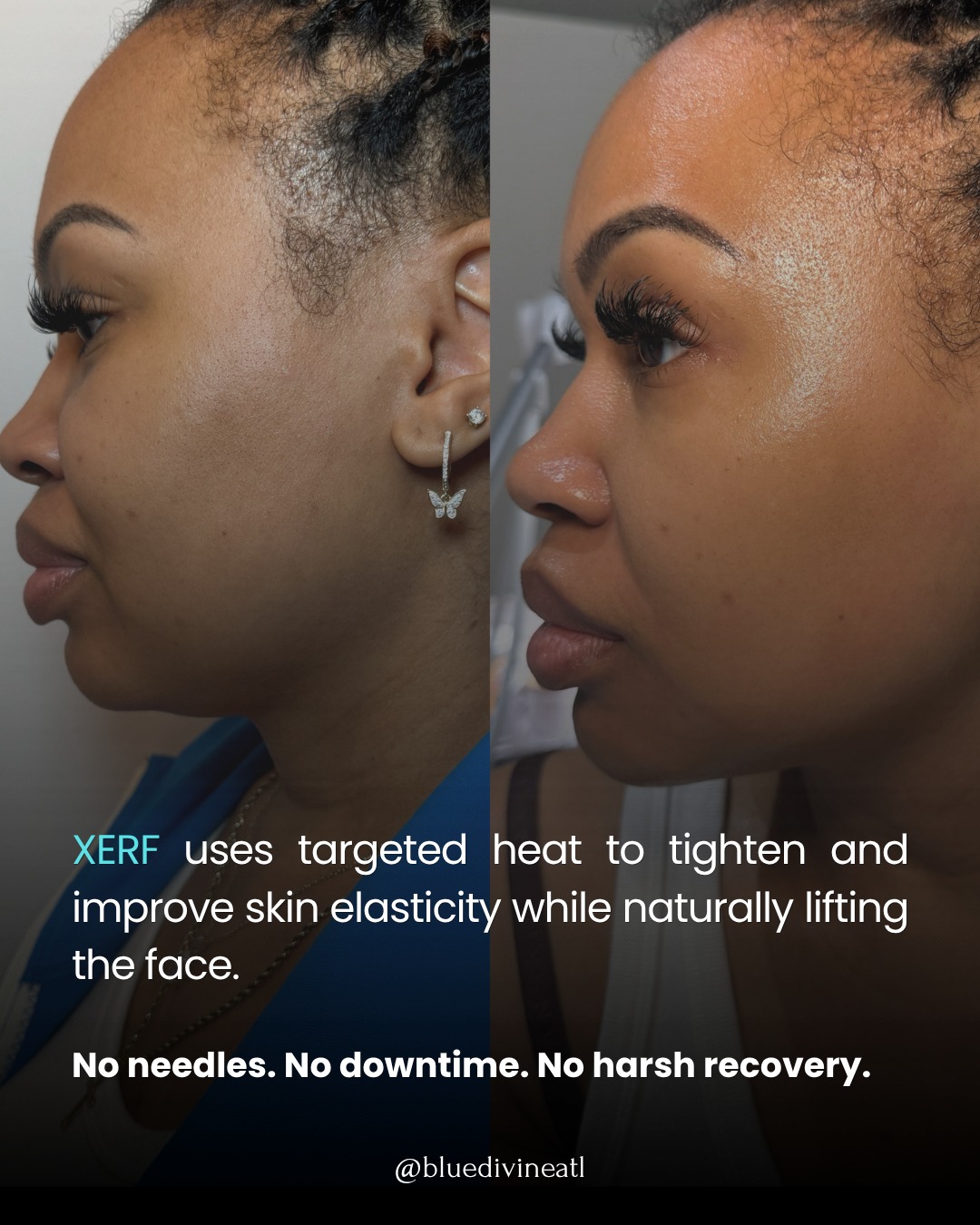
As the deeper structural tissue descends with age, the contour of the jaw becomes less defined and early jowling appears. XERF’s ability to address the deeper structural layer supports a cleaner jawline and a more refined lower face contour, without surgical correction.
Cheek and Midface Position
The dual-depth approach addresses both the skin surface and the deeper tissue that influences cheek position. Patients in the midface area often see improvement in skin firmness and a subtle lifting effect that develops over the weeks following treatment.
Neck and Under-Chin Laxity
Loose skin along the neck and under the chin responds well to XERF when the concern is driven by skin laxity rather than excess fat. The structural tightening effect in this area can improve neck definition and reduce the appearance of loose tissue under the jaw.
Fine Lines and Surface Texture
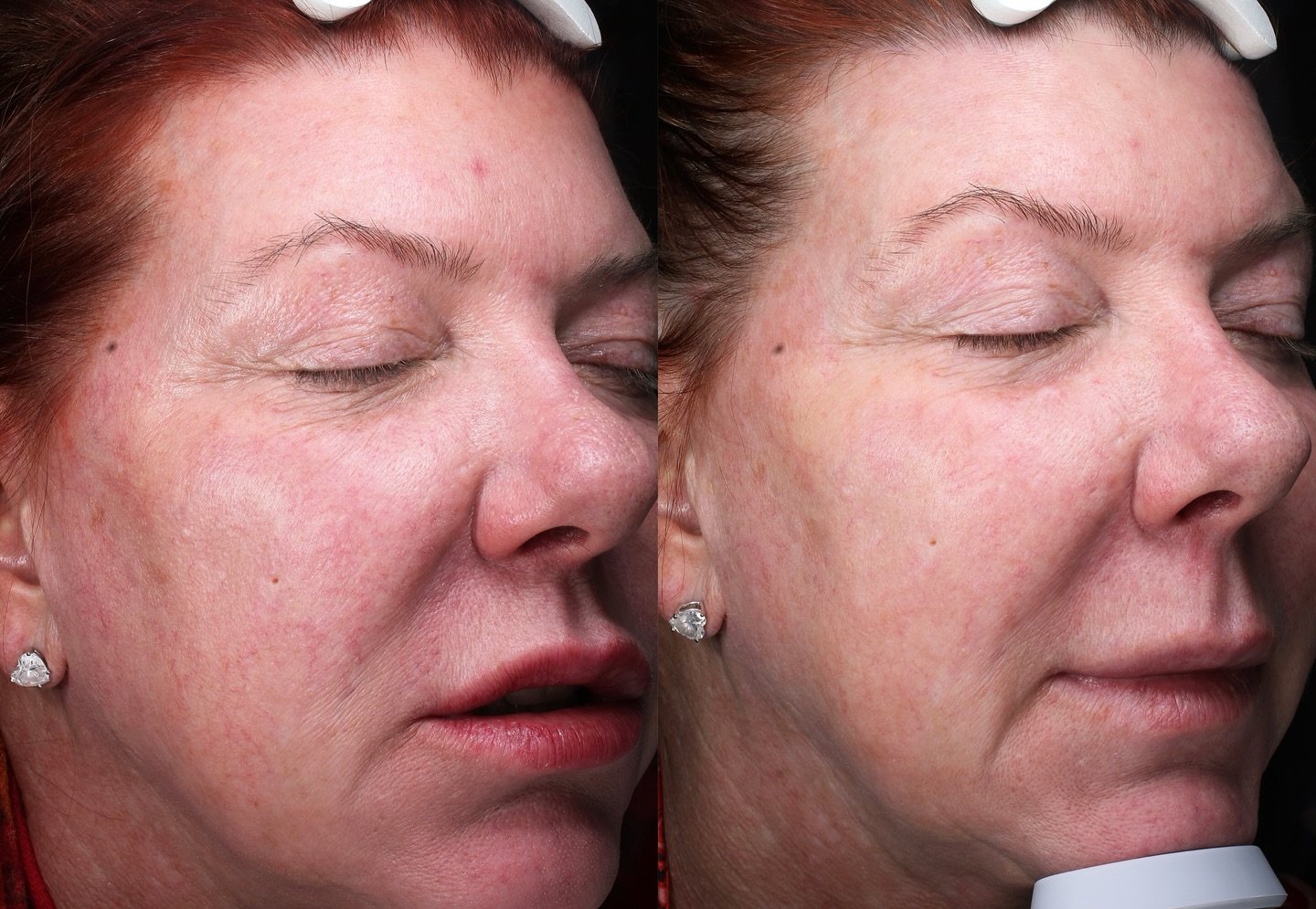
The 6.78 MHz frequency component addresses the upper dermis, where fine lines, crow’s feet, forehead lines, and surface texture irregularities respond to collagen remodeling. Patients frequently describe their skin feeling firmer and looking smoother at the surface level in addition to the deeper structural improvements.
Body Areas Beyond the Face
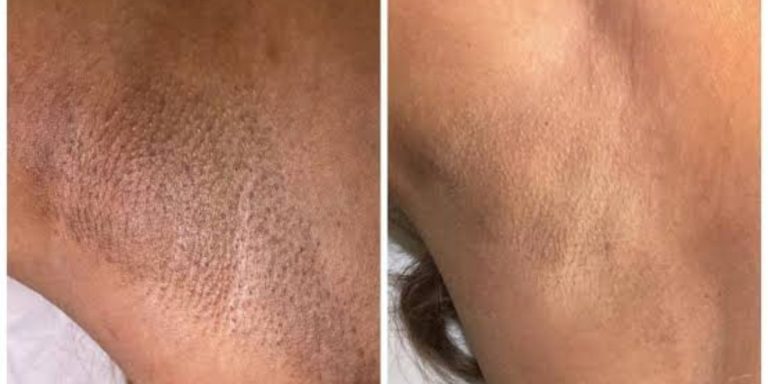
XERF can also be applied to body areas including the upper arms, abdomen, and knees where skin laxity is a concern. The provider customizes depth settings and energy levels based on the tissue characteristics of each treatment area.
Is XERF Suitable for Different Skin Tones?
XERF uses radiofrequency energy rather than light-based energy. Because it does not rely on melanin targeting, it may reduce certain pigmentation-related risks that are associated with some laser and intense pulsed light treatments. This makes it generally considered suitable across a wide range of skin tones when performed correctly by a trained provider.
Many laser and light-based devices require modified protocols for patients with deeper skin tones due to the way those devices interact with melanin. XERF’s mechanism of action works differently, which is one reason it is often discussed as a more broadly accessible option for a diverse patient population.
According to Statista, the non-surgical aesthetics market continues to grow globally, with increasing demand from a more diverse patient base seeking treatments with a favorable profile across different skin types. This shift in the patient landscape has made technology like XERF particularly relevant in practices that serve a wide range of ethnicities.
At Blue Divine Aesthetics in Atlanta, treating patients of all skin tones and ethnicities has been a central focus since the practice opened in 2012. Founder Kalen Wheeler brings over 13 years of experience with diverse skin types. Every XERF treatment begins with a VISIA 3D Skin Analysis to ensure the protocol is calibrated appropriately for each individual before the session begins.
Who Is a Suitable Candidate for XERF?
XERF is generally most effective for adults with mild to moderate skin laxity who want to improve skin firmness, definition, and tone without surgery. Patients in their 30s through 60s typically see the most meaningful results, as the skin retains the biological capacity to produce a collagen response to the thermal stimulus.
People who want to address surface texture, fine lines, and deeper structural concerns at the same time benefit from the dual-depth approach that XERF uses. Those with active schedules who cannot take extended time away from work or social commitments find the minimal downtime profile of XERF to be a practical advantage.
XERF is also a relevant option for patients who have previously undergone surgical procedures and want to extend or maintain their results over time without repeat surgery. According to the American Society of Plastic Surgeons, interest in non-surgical maintenance treatments among patients who have had prior aesthetic procedures has grown consistently year on year.
XERF is not a replacement for surgical correction when significant skin laxity or excess skin is present. For patients with more advanced concerns, a consultation will help clarify whether a non-surgical approach is likely to meet their expectations or whether surgical assessment is more appropriate.
Who Should Postpone or Avoid XERF?
Patients who are pregnant, have active skin infections in the treatment area, have implanted electronic devices such as pacemakers, or have certain metal implants near the treatment area should discuss these factors thoroughly with their provider before proceeding. A consultation before any energy-based treatment covers all of these individual considerations.
What to Expect Before, During, and After XERF

Before Your Appointment
Most providers recommend arriving with clean skin, free of makeup, lotions, and retinoid products. Staying well hydrated in the days before treatment is consistently recommended, as well-hydrated tissue tends to respond to RF energy more effectively. At Blue Divine Aesthetics, every treatment begins with a VISIA 3D Skin Analysis that gives the provider a clear picture of the skin’s current condition before depth settings and energy levels are selected.
During the Treatment
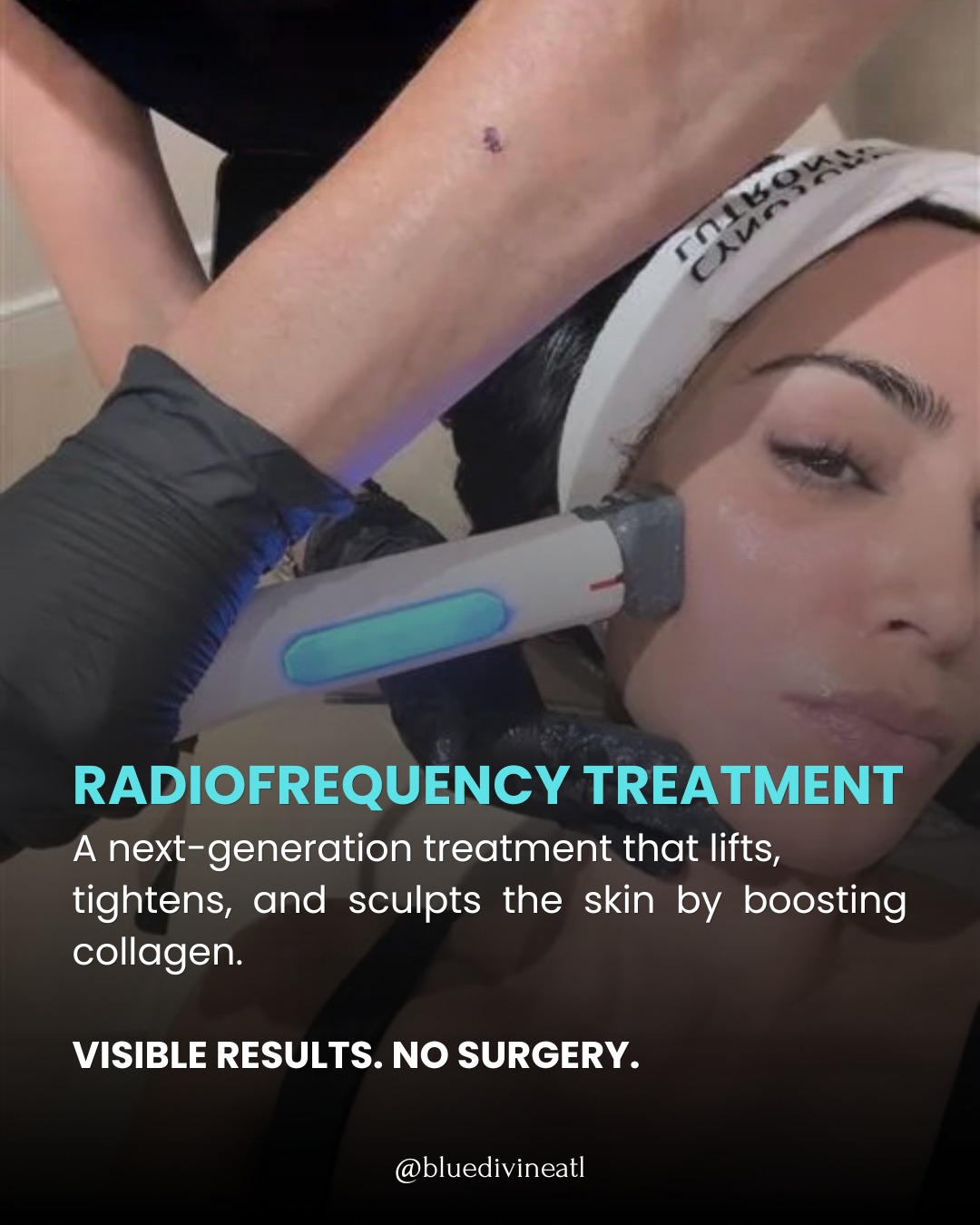
Most patients do not require numbing cream for XERF. The sensation during the session is generally described as a steady warmth on the skin, similar to a warm surface being moved slowly across the face, with a built-in cooling pulse following each energy delivery. Some areas, particularly around the cheekbones and bony prominences, may feel more warm than others. The provider can adjust settings in real time based on patient feedback throughout the session.
After Treatment
Most patients experience minimal to no visible downtime after XERF. Some people notice mild redness or warmth in the treated area for a few hours, and this typically resolves within 24 hours. Normal daily activities can be resumed immediately for most patients.
When Will You See Results from XERF?
Results from XERF follow a two-phase pattern that is helpful to understand before the session so patients know what to expect at each stage.
The first phase is visible within hours of treatment. Existing collagen fibers contract in response to the controlled heat, producing a subtle but often immediately noticeable tightening and lifting effect. Many patients observe this change in the mirror on the same day as their appointment.
The second and more significant phase develops over approximately three months after the session. During this time, fibroblast cells that were activated by the thermal energy produce new collagen and elastin. This progressive structural improvement continues to refine and firm the skin gradually. The three-month mark is when most providers assess the full outcome of the initial treatment.
Results may last several months depending on individual factors including skin condition, age, lifestyle, and whether maintenance sessions are performed. Your provider will advise on a maintenance schedule based on your individual response to treatment.
How Many XERF Sessions Are Typically Recommended?
The number of sessions varies based on the patient’s skin condition, goals, and the assessment made during consultation. Many patients with mild laxity experience meaningful improvement after a single session. For moderate laxity or more comprehensive concerns, a course of two to three sessions spaced three to four weeks apart is a common approach.
One practical advantage of XERF compared with some older RF technologies is that the built-in cooling and real-time impedance feedback allow providers to deliver higher effective energy in a single session comfortably. This can reduce the total number of appointments needed compared with platforms that require lower energy levels per session.
How Does XERF Compare to Other Skin Tightening Options?
The table below provides a general comparison of XERF with other commonly considered non-surgical and surgical options. Individual suitability varies and a provider consultation is the appropriate starting point for any treatment decision.
| Treatment | Technology | Depths Targeted | Numbing Needed? | Downtime | Deep Structural Layer? |
| XERF | Dual-frequency monopolar RF | Shallow, mid and deep layers | Generally no | Minimal to none | Designed to reach deeper structural layers |
| Thermage FLX | Single-frequency monopolar RF | Mid-dermis primarily | Sometimes | None | Not typically |
| Ultherapy | Focused ultrasound | Deep tissue layers | Often needed | Minimal | Yes |
| RF Microneedling | RF with microneedles | Shallow to mid-dermis | Yes | 2 to 5 days | No |
| Surgical Facelift | Surgical repositioning | All layers including SMAS | General anesthesia | 2 to 4 weeks | Yes |
One question that comes up in clinical discussions about XERF concerns whether delivering RF energy near the SMAS layer carries a risk of unwanted fat loss in the face. This is a legitimate point that experienced providers are aware of. The Wave Fit pulse system and Accurate Impedance Feedback within XERF are specifically designed to deliver energy to the fibrous structural tissue while monitoring the tissue response in real time. Selecting a provider with training and genuine experience in monopolar RF treatment is the most important consideration for achieving safe and natural-looking results.
XERF: What Works in Its Favor and What to Consider
What works in its favor:
XERF is an FDA-cleared treatment that has been studied in clinical settings and confirmed effective for skin tightening and collagen stimulation at multiple tissue depths. It does not require surgery, incisions, anesthesia, or numbing cream for most patients, which makes it accessible to a broader range of people than more invasive procedures.
The dual-frequency approach allows both surface-level collagen remodeling and deeper structural tightening to be addressed in a single session. This means patients can work toward improving texture, fine lines, firmness, and jawline definition at the same time rather than needing separate treatments for each concern.
The built-in real-time feedback technology adapts to each patient’s skin as the session progresses. This level of personalization is not available in most standard RF platforms and supports both safety and precision throughout the treatment.
XERF is generally considered suitable across a wide range of skin tones, as it does not rely on melanin targeting. This is a meaningful advantage for practices serving a diverse patient population, including Blue Divine Aesthetics in Atlanta, which specializes in treating all skin tones and ethnicities.
For patients interested in addressing both skin surface quality and deeper structural tightening, XERF can be combined with treatments such as NeoGen PSR, creating an integrated protocol that covers the full range of skin renewal from surface regeneration to structural lifting.
What to consider before booking:
XERF is relatively new to the United States market, having received FDA clearance in 2025. While early clinical observations and real-world patient outcomes have been encouraging, long-term data covering multiple years of follow-up continues to develop. Patients who prefer treatments with a longer established track record may wish to factor this in.
Results depend meaningfully on provider skill and experience. Because treatment parameters are customized in real time by the practitioner, the quality of outcome can vary between clinics. Selecting a provider with specific training in monopolar RF technology and experience treating patients with comparable anatomy and goals is important.
XERF works best for mild to moderate laxity. Patients with more advanced sagging or significant excess skin are likely to find that non-surgical treatment alone cannot produce the degree of change they are looking for, and a surgical consultation may be more appropriate in those cases.
Results may last several months depending on individual factors, and maintenance sessions over time help sustain the improvements achieved. This is similar to most non-surgical skin treatments and should be factored into any long-term skin health plan.
XERF Treatment at Blue Divine Aesthetics in Atlanta
Blue Divine Aesthetics offers XERF treatments from their Buckhead, Atlanta location. The practice has specialized in advanced energy-based skin treatments since 2012 and has focused specifically on serving patients of all skin tones and ethnicities throughout that time. Founder Kalen Wheeler holds direct training certifications across a range of advanced aesthetic technologies and builds every treatment plan around a thorough skin assessment rather than a standardized protocol.
Every XERF patient at Blue Divine begins with a VISIA 3D Skin Analysis. For patients interested in combining XERF with complementary treatments such as NeoGen PSR, the team designs a customized protocol that addresses both skin surface quality and deeper structural concerns in a coordinated plan.
Flexible payment options are available through Cherry Financing, and monthly membership plans support ongoing skin health. To schedule a consultation, visit bluedivine.com. The practice is located at 107 West Paces Ferry Rd, Atlanta, GA 30305.
Frequently Asked Questions About the XERF System
How long does a XERF session take?
A XERF session for the full face and neck typically takes 60 to 75 minutes. Smaller or targeted areas may take less time. Because most patients do not require numbing cream, there is no waiting period before the session begins, which makes the overall appointment shorter than treatments that require topical anesthesia.
How is XERF different from Thermage?
Thermage uses a single radiofrequency frequency of 6.78 MHz that primarily targets the mid-dermis. XERF combines 6.78 MHz with a deeper 2 MHz frequency, which is designed to reach deeper structural layers near the SMAS. XERF also incorporates more advanced built-in cooling and real-time tissue feedback, which allows the provider to deliver energy with greater precision and in a way most patients find more comfortable than older RF systems.
Is the treatment painful?
Most patients describe the sensation as a steady warmth on the skin rather than pain. The built-in cryogen cooling delivers a cooling pulse alongside each energy pass, which significantly reduces discomfort. The majority of patients complete the session without numbing cream. Providers can adjust treatment parameters for anyone who finds certain areas more sensitive.
Can XERF be combined with other treatments?
Yes. XERF is frequently used as part of a combined treatment plan. At Blue Divine Aesthetics, XERF can be paired with NeoGen PSR to address both skin surface regeneration and deeper structural tightening in an integrated protocol. Your provider will recommend the appropriate combination and timing based on your skin assessment and goals.
Is XERF generally suitable for different skin tones?
XERF is generally considered suitable across a wide range of skin tones when performed correctly. Because the treatment uses radiofrequency energy rather than light-based energy, it does not rely on melanin as a target. This is different from many laser and IPL treatments, where careful protocol adjustments are needed for patients with deeper skin tones. A consultation with a provider experienced in treating diverse skin types will confirm individual suitability.
What does structural skin tightening mean?
Structural skin tightening refers to treatment that is designed to go beyond the surface and mid-dermis to influence the deeper connective tissue that supports the position and contour of the face. Standard surface skin tightening improves firmness and fine lines at the upper skin layers. Structural skin tightening addresses deeper tissue, producing lifting and contouring effects at a level that surface-only treatments typically cannot reach. XERF has been studied in clinical settings for its ability to deliver treatment at these deeper tissue depths.