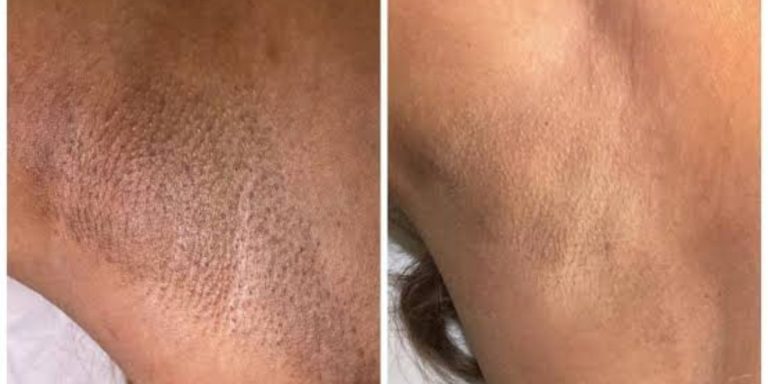
People with medium to deep skin tones have often had a frustrating experience with aesthetic treatments. Many have been told a treatment is not suitable for their skin type, or have experienced complications — uneven pigmentation, prolonged redness, or dark spots after procedures that were not designed with their skin in mind. This history is real and worth acknowledging.
NeoGen plasma treatment works through a mechanism that differs from light-based devices, which carry the highest risk for darker skin tones. This article explains how that mechanism works, what clinical observations suggest about its use across diverse skin types, what preparation looks like for patients with deeper skin tones, and what to look for in a provider. For a broader overview of how NeoGen works, the complete NeoGen plasma treatment guide is a useful starting point.
Why Skin Tone Matters in Energy-Based Treatments

Understanding the Fitzpatrick Scale
The Fitzpatrick Scale is the classification system providers use to assess skin type before recommending any energy-based treatment. It runs from Type I to Type VI and reflects both skin color and how that skin responds to sun exposure. Understanding where your skin falls on this scale helps you have a more informed conversation with your provider.
| Fitzpatrick Type | Characteristics | Skin Tone |
| Type I | Very fair, often with freckles, burns easily, never tans | Pale white |
| Type II | Fair skin, burns easily, tans minimally | White to light beige |
| Type III | Medium skin, sometimes burns, gradually tans to light brown | Beige to light brown |
| Type IV | Olive to light brown skin, rarely burns, tans easily | Light to moderate brown |
| Type V | Brown skin, very rarely burns, tans very easily | Medium to dark brown |
| Type VI | Deep brown to dark skin, almost never burns | Deep brown to black |
The scale matters clinically because the higher the Fitzpatrick type, the more active the melanocytes — the cells responsible for producing melanin. This increased melanocyte activity influences how the skin responds to certain treatments, particularly those that use heat or light as their mechanism of action.
Why Darker Skin Tones React Differently
Melanin is the natural pigment that gives skin, hair, and eyes their color. It also provides some protection against ultraviolet radiation. Patients with Fitzpatrick types IV to VI have a higher concentration of melanin and more reactive melanocytes, meaning their pigment-producing cells respond more readily to inflammation, heat, and trauma.
When the skin experiences a thermal or inflammatory event, the melanocytes in that area can respond by producing excess melanin. The result is post-inflammatory hyperpigmentation (PIH), which appears as dark patches or spots that may persist for weeks or months after a procedure. For patients with Fitzpatrick types III to VI, PIH is a well-documented concern following many common aesthetic treatments. This does not mean those patients cannot undergo skin treatments — it means treatment selection and provider experience become significantly more important.
Why Many Resurfacing Treatments Carry Higher Risk for Types IV to VI
Many laser treatments are chromophore-selective. They are calibrated to target a specific component of the skin, such as melanin or the water in skin cells, using light energy. For patients with higher melanin concentrations, a melanin-targeting laser has more pigment to interact with. This risk profile is widely recognized in aesthetic medicine. CO2 laser resurfacing, IPL, and Erbium-based lasers all carry a meaningfully elevated risk of pigmentary complications for patients with Fitzpatrick types IV to VI.
According to the American Society of Plastic Surgeons, demand for non-surgical skin treatments has grown consistently across all demographics, including patients with diverse skin tones who are actively seeking options with appropriate risk profiles for their specific skin type.
How NeoGen Plasma Works Differently
NeoGen Is Not a Laser
NeoGen PSR uses nitrogen plasma energy — plasma is the fourth state of matter, distinct from solids, liquids, and gases. It is not a laser device. It does not use light. It does not target chromophores such as melanin or water as part of its mechanism. The mechanism associated with melanin-targeting treatments does not apply in the same way, which is one reason NeoGen is often considered in treatment planning for patients with deeper skin tones. Further detail on how the technology works is available on the NeoGen PSR treatment page at Blue Divine Aesthetics.
What the Intact Skin Barrier Means for Darker Skin Tones
One important distinction for patients with deeper skin tones is that the outer skin layer remains intact during NeoGen treatment. It does not open, vaporize, or peel during the session. This distinction is important for understanding how NeoGen differs from many resurfacing treatments.
When the skin surface opens during ablative treatments, the body initiates a wound healing response involving inflammation. Inflammation activates melanocytes. Activated melanocytes produce melanin. Excess melanin in the wrong location produces PIH. Because NeoGen does not create an open skin surface, it may reduce some inflammatory responses associated with treatments that disrupt the skin barrier. This is one reason NeoGen is often considered more appropriate for diverse skin tones than light-based resurfacing options.
Uniform Thermal Energy vs Selective Light Energy
NeoGen delivers controlled thermal energy uniformly across the full treatment surface. It does not target specific zones within the skin based on pigment contrast the way light-based devices do. A fractional laser creates a grid of targeted zones, and the targeting relies in part on the contrast between lighter and darker areas within the tissue.
NeoGen’s uniform delivery means it does not differentially affect areas of higher pigment concentration within the skin. The treatment responds to the tissue as a whole rather than to areas of contrast. In many cases, this supports more consistent treatment planning across diverse skin tones when appropriate protocols are used.
NeoGen Energy Levels and What They Mean for Different Skin Tones
NeoGen is not a single fixed-intensity treatment. The energy level the provider selects determines the depth of the thermal response, the degree of visible change, the recovery window, and the suitability across different Fitzpatrick types. Understanding this distinction helps patients have a more informed conversation before any session is booked.
| Energy Level | Skin Tones | Sessions | Recovery Window | What It Addresses |
| Low energy (SPA approach) | Fitzpatrick I to VI (all skin tones with assessment) | 3 to 6 sessions | 1 to 3 days | Gradual, progressive improvement with minimal disruption per session |
| Medium energy | Fitzpatrick I to IV (with careful assessment) | 2 to 3 sessions | 3 to 5 days | Moderate improvement in texture, tone, and firmness |
| High energy | Fitzpatrick I to III (primarily) | 1 to 2 sessions | 5 to 9 days | More significant improvement per session — experienced provider assessment essential for Types IV and above |
Low-Energy Protocol
The low-energy approach, often referred to as the NeoGen SPA protocol, delivers gentle, controlled plasma energy across the treatment area. Because the thermal load per session is lower, it may be considered across a wider range of skin tones, including Fitzpatrick types IV to VI, when combined with appropriate pre-treatment preparation and provider assessment. Multiple sessions are generally needed — often between three and six — spaced several weeks apart to build gradual, progressive improvement. The recovery window per session is short, often one to three days of mild redness or warmth.
For patients with darker skin tones who are new to NeoGen, or who have a personal history of PIH or melanin reactivity, the low-energy approach is often where treatment planning begins. It allows the skin to respond incrementally, which in many cases reduces the likelihood of a pronounced inflammatory reaction while still delivering meaningful improvement over the course of the treatment series.
High-Energy Protocol
The high-energy protocol delivers a more significant thermal response in fewer sessions and may produce more substantial visible improvement per session. Because of the higher thermal load, it is in many cases more suitable for Fitzpatrick types I to III, where melanocyte reactivity is lower and the risk of PIH is reduced.
For patients with Fitzpatrick types IV to VI, a high-energy protocol may be considered by an experienced provider who has conducted a thorough skin assessment and discussed pre- and post-treatment preparation in detail. This requires significantly more clinical judgment and experience, and is not where treatment planning begins for most patients in this Fitzpatrick range.
Why the Energy Level Decision Belongs to the Provider
Patients should not attempt to self-select an energy level based on reading articles online, including this one. The appropriate protocol depends on a combination of factors: Fitzpatrick type, history of PIH, current skin condition, sun exposure history, medications, and treatment goals.
At Blue Divine Aesthetics, every NeoGen treatment begins with a VISIA 3D Skin Analysis. This technology maps both the surface and sub-surface condition of the skin, giving the provider accurate data before any energy level or protocol is selected. This step plays an important role in treatment planning, and is particularly relevant for patients with Fitzpatrick types IV to VI.
What Clinical Observations Suggest About NeoGen and Darker Skin Tones
Clinical observations from providers working with NeoGen across diverse patient populations suggest that the treatment may be used appropriately across a range of Fitzpatrick types when protocols are selected carefully and pre-treatment preparation is in place. The non-chromophore-selective mechanism and the intact skin barrier are the two properties most often cited in support of NeoGen’s suitability for patients with deeper skin tones.
Providers with experience treating Fitzpatrick types IV to VI with NeoGen often note that the low-energy multi-session approach produces gradual improvement in texture, tone, and skin quality with a lower likelihood of the pigmentary changes that occur with ablative laser treatments. Temporary bronzing during the recovery period is part of the normal healing process and may appear slightly more visible on deeper skin tones, often resolving within the expected recovery window.
It is important to note clearly that no treatment is entirely without risk for any skin type. Temporary pigmentary changes are possible with NeoGen, in particular at higher energy levels in Fitzpatrick types IV to V. These often resolve, but patients should have an open discussion about these possibilities before treatment. Being fully informed before booking leads to better preparation and more realistic expectations.
According to Statista, the global medical aesthetics market continues to grow, with patients of diverse backgrounds representing an increasing proportion of that growth. Demand for treatments that may work appropriately across a wider range of skin tones is one of the factors driving interest in plasma-based technologies.
Pre-Treatment Preparation for Darker Skin Tones
Pre-treatment preparation receives less attention in many general discussions about NeoGen. For patients with Fitzpatrick types IV to VI, a preparation period before the session may reduce the likelihood of post-treatment pigmentary changes. Understanding what this involves helps patients arrive at their consultation better prepared.
Why Pre-Treatment Preparation Matters
Melanocytes that are in an already activated state from recent sun exposure, active inflammation, or hormonal fluctuation may respond more readily to a thermal event. A preparation period in the weeks before treatment may help moderate melanocyte activity, which in many cases lowers the likelihood of excess pigment production following the session.
This preparation period also gives the provider an opportunity to assess how the skin responds to topical products, identify any factors that may not have been apparent initially, and establish a clear baseline for comparison after the session.
What Pre-Treatment Often Involves
Pre-treatment preparation for darker skin tone patients often involves the use of topical brightening agents in the weeks before the session. These may include vitamin C-based serums, niacinamide, or provider-recommended products designed to moderate melanocyte activity. The specific products and duration are determined by the provider based on the individual’s skin assessment.
Strict sun avoidance is strongly recommended during the pre-treatment period. Sun exposure activates melanocytes, which is precisely what the preparation period aims to moderate. Patients are often asked to avoid direct sun exposure for a defined period before treatment and to use high-SPF broad-spectrum sunscreen consistently during this window.
What to Disclose to Your Provider Before Booking
A thorough pre-treatment conversation requires sharing your full skin history. The following information helps your provider design a protocol appropriate for your specific skin rather than applying a generalized approach:
History of post-inflammatory hyperpigmentation: including any previous treatments that triggered dark spots or uneven tone.
History of melasma: including whether it is currently active, previously treated, or in remission.
History of keloid or hypertrophic scarring: Patients with this history should discuss it carefully with their provider before treatment, as scarring history is an important factor in protocol selection.
Current skincare routine: particularly retinoids, AHAs, BHAs, or any prescription activities that may affect skin sensitivity.
Recent sun exposure: including vacations, outdoor work, or extended time in sunlight.
Current medications: including anything that affects healing, inflammation, or pigmentation.
What to Expect During and After NeoGen on Darker Skin Tones
During the Session
The experience during a NeoGen session does not differ based on skin color. A topical numbing cream is applied 30 to 45 minutes before the session begins. The sensation during treatment is often described as a gentle warmth, with most patients finding it well-tolerated. Treatment time ranges from 20 minutes for smaller areas to approximately 60 minutes for the full face and neck. No needles, incisions, or injections are involved at any point.
For patients with darker skin tones, the provider may use a more conservative energy setting and monitor the skin’s response closely throughout the session, particularly during the first treatment in a series. This is standard practice in clinics with experience treating diverse skin types.
Typical Recovery Timeline
Understanding the recovery process helps patients prepare and avoids unnecessary concern during healing. The timeline below applies broadly. Bronzing may be slightly more visible on deeper skin tones — this is a normal part of the healing process and not a sign of a complication.
Days 1 to 2: The skin appears red and feels warm. This is a normal response and is part of the healing process.
Days 3 to 4: The skin takes on a natural bronze tone as the outer layer begins to change. On deeper skin tones, this bronzing may appear slightly more pronounced and often resolves as the healing process progresses.
Days 5 to 7: A thin outer layer sheds naturally, revealing newer skin forming beneath. Patients should not pick, pull, or disturb this layer, as it continues functioning as a protective barrier during healing.
Week 2 onward: Skin clarity, texture, and tone begin to improve. Collagen and elastin production continues for several months following the session, and improvement often develops progressively over this period.
Post-Treatment Aftercare for Darker Skin Tones
Post-treatment aftercare is as important as the treatment itself, particularly for patients with Fitzpatrick types IV to VI. The steps below are part of standard post-treatment guidance at clinics experienced with diverse skin types.
Sun protection: Consistent sun protection is strongly recommended during recovery. Sun exposure during this period activates melanocytes and may increase the risk of PIH. A broad-spectrum SPF of at least 30, ideally 50, applied consistently for a minimum of four weeks post-treatment is standard guidance.
Avoid harsh active ingredients: Retinoids, AHAs, BHAs, and other exfoliating actives should be paused during the healing period. The skin barrier is in a recovery state and benefits from a gentler routine during this window.
Gentle hydration: Provider-recommended moisturizers support the skin’s recovery without disrupting the natural shedding process. Products with fragrances or known irritants are best avoided for the first two weeks.
Monitor and report: Patients with darker skin tones should watch for any persistent dark spots that do not improve within the expected recovery window. Contacting the provider promptly if this occurs is recommended.
Do not disturb the shedding layer: The outer layer that bronzes and sheds naturally during recovery functions as a protective barrier. Removing it prematurely may disrupt healing and increase the likelihood of pigmentary changes.
Skin Concerns NeoGen May Address in Patients With Darker Skin Tone
Patients with Fitzpatrick types IV to VI often carry a specific set of concerns that have been difficult to address safely with conventional light-based options. NeoGen may be considered for many of these concerns through the treatment approaches described above.
Acne Scars
Acne scarring is a common concern in patients with darker skin tones, both because PIH following breakouts is more prevalent in higher Fitzpatrick types and because many standard scar treatments carry elevated risk for those skin types. The low-energy multi-session approach may improve the appearance of acne scarring gradually over a treatment series without the PIH risk associated with CO2 resurfacing.
Hyperpigmentation and Uneven Tone
Post-inflammatory hyperpigmentation, sun-induced dark spots, and generally uneven skin color are among the most common concerns in patients with deeper skin tones. Because NeoGen works across the full surface area simultaneously, it supports a more uniform skin renewal process. Over a series of sessions, this may contribute to improvement in areas of uneven pigmentation.
Sun Damage and Age Spots
Long-term sun damage often manifests differently in darker skin tones, appearing as flat brown patches, generalized uneven tone, or a dulling of skin clarity. NeoGen’s collagen-stimulating mechanism supports overall skin renewal, which may address these surface changes as part of a planned treatment course.
Skin Laxity and Firmness
Loss of firmness along the jawline, neck, and cheek area is a concern across all skin types. NeoGen’s collagen and elastin stimulation supports skin tightening that may improve these areas. For patients with darker skin tones who are not candidates for more aggressive resurfacing options, NeoGen may offer a path to improvement in laxity that many other treatments cannot.
Dullness and Skin Texture
Dullness and rough skin texture reduce the overall radiance and clarity of deeper skin tones. NeoGen’s surface renewal process supports improved clarity and texture over a treatment course. Patients often describe a cleaner, brighter appearance to their skin as the treatment series progresses.
Melasma Alongside Other Concerns
Melasma requires careful management and is not straightforwardly addressed by any energy-based device. For patients who have melasma alongside other concerns such as laxity or texture, NeoGen may be considered as part of a planned treatment approach — but only with thorough provider assessment and appropriate pre- and post-treatment management. Our comparison of NeoGen plasma vs CO2 laser provides context on why CO2 resurfacing is in many cases not appropriate for melasma-prone skin.
What to Look For in a Provider if You Have a Darker Skin Tone
Provider experience plays an important role in treatment planning and safety for patients with Fitzpatrick types IV to VI. The questions below are worth asking before booking any NeoGen session.
Questions to Ask Before Booking
Does the provider have documented experience treating Fitzpatrick types IV to VI? A provider who regularly treats patients with diverse skin tones will have a clear answer and, in many cases, results to discuss.
Does the clinic conduct a thorough skin analysis before selecting a protocol? Pre-treatment assessment is an important starting point. Energy level, session number, and pre-treatment preparation should all be informed by the assessment findings.
Does the provider discuss pre-treatment preparation specific to your skin type? A provider who does not mention pre-treatment preparation for a patient with a deeper skin tone may not have tailored their approach to your specific needs.
Does the provider discuss post-treatment aftercare in detail? The aftercare conversation should include sun protection, what products to use and avoid, what the recovery looks like for your skin color, and what to monitor.
Conclusion
NeoGen plasma may be appropriate for patients with darker skin tones when the following conditions are in place: the provider has documented experience with Fitzpatrick types IV to VI, a pre-treatment skin analysis is conducted before any protocol is selected, a preparation period is included before the session, and post-treatment aftercare particularly sun protection is followed consistently.
Temporary bronzing during the recovery period is a normal part of the healing process and not a sign of a complication. On deeper skin tones it may appear slightly more visible and often resolves as the skin progresses through the natural shedding phase.
Temporary pigmentary changes, while uncommon, are possible with any energy-based treatment including NeoGen, in particular at higher energy levels in Fitzpatrick types IV to V. These may gradually fade, but patients should have an open discussion with their provider about this possibility before committing to any session.
Patients with a significant history of PIH, active melasma, or keloid scarring should disclose this fully and expect a thorough conversation about whether NeoGen may be considered appropriate for their individual situation. No treatment is universally appropriate for every patient, and an honest provider will tell you if a different approach better suits your specific history and goals.
At Blue Divine Aesthetics in Buckhead, Atlanta, treating patients of all skin tones and ethnicities has been a specific clinical focus since the practice opened in 2012. Founder Kalen Wheeler brings over 13 years of dedicated experience with diverse skin types and advanced aesthetic technologies. Every NeoGen patient begins with a VISIA 3D Skin Analysis before any protocol is designed. Choosing a provider with this level of preparation may help lower the likelihood of complications for patients with deeper skin tones. Learn more about the full range of treatments at Blue Divine Aesthetics.
Frequently Asked Questions
Can NeoGen plasma cause hyperpigmentation on darker skin?
Temporary pigmentary changes are possible with NeoGen, in particular at higher energy levels in Fitzpatrick types IV to V. These often improve over time, but patients should discuss this openly with their provider before booking. Pre-treatment preparation and consistent post-treatment sun protection may help lower the likelihood of this outcome.
What Fitzpatrick skin types is NeoGen considered suitable for?
NeoGen using a low-energy protocol may be considered across a wide range of Fitzpatrick types, including IV to VI, when combined with pre-treatment preparation and appropriate provider assessment. High-energy protocols are generally more suitable for Fitzpatrick types I to III. The energy level appropriate for your skin type is determined by your provider based on a pre-treatment skin analysis.
How many sessions do darker skin tone patients often need?
Patients with Fitzpatrick types IV to VI often follow a low-energy multi-session approach, which in many cases involves between three and six sessions spaced several weeks apart. This approach delivers gradual, progressive improvement with a lower thermal load per session, which is in many cases more appropriate for higher melanin skin types than a single high-energy session.
What is the difference between NeoGen low-energy and high-energy protocols?
The low-energy protocol uses reduced energy levels delivered across multiple sessions to produce gradual improvement. It may be appropriate for a wider range of skin tones and involves a shorter visible recovery period per session, often one to three days. The high-energy protocol uses higher energy in fewer sessions for more significant improvement per session, but requires careful assessment for patients with darker skin tones and often involves five to nine days of recovery visibility.
How should I prepare my skin before NeoGen if I have a deeper skin tone?
Pre-treatment preparation often involves a period of strict sun avoidance, provider-recommended topical brightening products, and a full disclosure conversation about your skin history including PIH, melasma, keloid history, current skincare routine, medications, and recent sun exposure. The specific preparation approach is determined by your provider based on your individual skin assessment.
How long does post-treatment bronzing last on darker skin?
The bronzing phase occurs between days 3 and 7 following a NeoGen session as the outer skin layer changes before shedding naturally. On deeper skin tones, this phase may appear slightly more pronounced. In many cases it commonly improves as the shedding layer clears, revealing the newer skin underneath. If darkening persists beyond the expected recovery window, contact your provider promptly.
Where can I find a provider experienced with diverse skin tones in Atlanta?
Blue Divine Aesthetics in Buckhead, Atlanta has specialized in treating patients of all skin tones and ethnicities since 2012. Every NeoGen treatment begins with a VISIA 3D Skin Analysis before any protocol is selected. To schedule a consultation, visit bluedivine.com or call (404) 467-4232. The practice is located at 107 West Paces Ferry Rd, Atlanta, GA 30305.