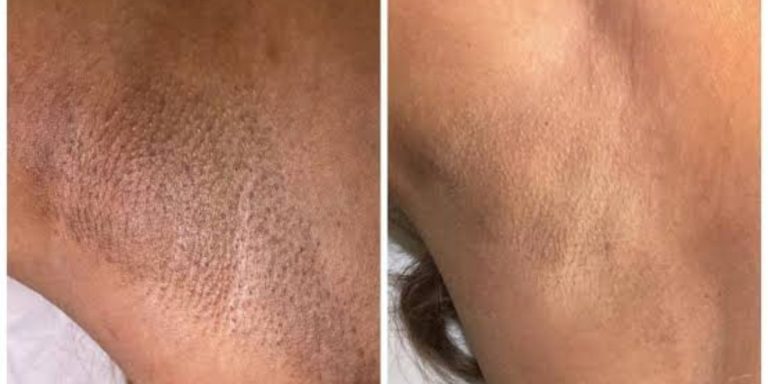
If you have been researching non-surgical skin tightening, you have probably seen both NeoGen plasma and HIFU come up repeatedly. Both are non-invasive. Both claim to tighten skin without surgery. Both have real clinical results.
But they are not the same treatment, and they do not solve the same problems. Choosing between them based on marketing language rather than mechanism is one of the most common mistakes patients make. The result is a treatment that improves something other than what was bothering them most.
NeoGen PSR is FDA-cleared and works at the dermal level. HIFU works deeper, targeting the fascial layer beneath the skin. This article gives you the honest, side-by-side answer that most provider websites never fully deliver.
How Does NeoGen Plasma Actually Tighten the Skin?
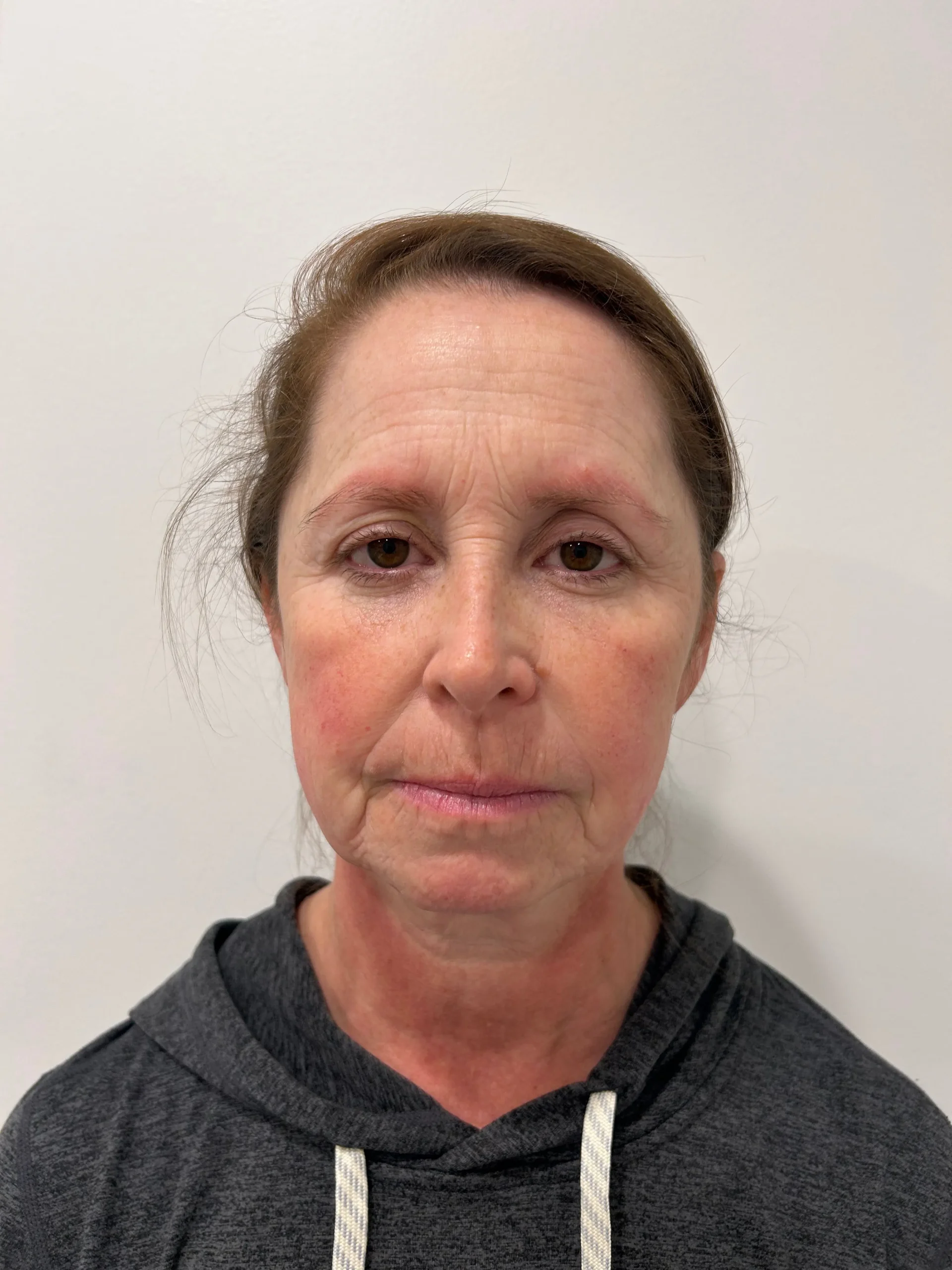
NeoGen PSR converts inert nitrogen gas into plasma energy using an ultra-high frequency generator. This plasma energy delivers controlled thermal heat into the dermis, the structural middle layer of the skin, without removing or ablating the outer skin layer.
That intact outer layer acts as a natural biological dressing throughout treatment. The thermal signal beneath it activates fibroblast cells, the skin’s collagen-producing cells, which respond by increasing production of new structural collagen and elastin. Over weeks and months, the skin becomes firmer, smoother, and more even in tone as this rebuilding process continues.
NeoGen works within the epidermis and dermis. This means it addresses concerns that live at those layers: surface wrinkles, skin texture, uneven tone, sun damage, post-inflammatory hyperpigmentation, crepey undereye skin, and mild to moderate surface laxity.
NeoGen does not penetrate the subcutaneous fat layer beneath the dermis. This is a clinically important boundary. It means NeoGen produces its results through collagen and elastin regeneration rather than structural tissue repositioning, and it means there is no risk of unintended volume changes in the face during treatment. According to FDA clearance documentation, NeoGen PSR is cleared for skin resurfacing and regeneration. Its mechanism preserves the outer skin layer while delivering thermal energy beneath it, which defines its recovery profile and safety characteristics across all skin tones.
How Does HIFU Tighten Skin and How Deep Does It Go?
HIFU stands for High Intensity Focused Ultrasound. It works by focusing ultrasound energy at precise depths beneath the skin surface, creating targeted thermal coagulation points at specific tissue layers without disrupting anything above or below those points.
The most clinically significant depth HIFU targets is the SMAS layer, the superficial musculo-aponeurotic system. This is the fibromuscular layer that connects facial muscles to the overlying skin. It is the same layer surgeons tighten during a traditional surgical facelift. When HIFU creates thermal coagulation points at the SMAS level, the tissue contracts and tightens, producing a lift effect that no surface treatment can replicate.
This depth of action is HIFU’s primary clinical advantage for specific concerns. Significant jowling, brow descent, and loose neck skin that originates from fascial laxity responds to HIFU in a way that NeoGen does not address, because NeoGen’s thermal energy does not reach that depth.
However, this depth also creates a consideration that patients deserve to understand. In some patients, particularly those with naturally lower facial fat volume or when energy settings are not appropriate for their anatomy, HIFU energy may contribute to unintended facial volume reduction. This has been discussed and reported in aesthetic medicine practice. It is not a universal outcome, but it is a meaningful reason why patient selection and energy calibration matter significantly for HIFU outcomes.
What Does the Difference Between NeoGen and HIFU Actually Look Like?
The clearest way to understand the difference is this: NeoGen is a skin rebuilder. HIFU is a structural lifter. They work at different depths and treat different concerns. The patients who benefit most from each treatment are often not the same patients.
NeoGen PSR vs HIFU: Side-by-Side Comparison
| Factor | NeoGen PSR | HIFU |
| Mechanism | Nitrogen plasma heats dermis to stimulate collagen and elastin | Focused ultrasound creates thermal coagulation points at SMAS layer |
| Depth of action | Epidermis and dermis | Dermis, subcutaneous layer, and SMAS fascia |
| Best for | Texture, tone, wrinkles, crepey skin, scarring, PIH, mild laxity | Deep structural lift, jowling, brow lift, neck banding |
| Downtime | 3 to 10 days depending on energy level | Minimal to none for most patients |
| Sessions needed | 1 to 3 | 1 to 2 |
| Dark skin safety | Suitable across all Fitzpatrick types with appropriate planning | Generally safe; does not target melanin |
| Facial fat risk | None — does not penetrate subcutaneous fat layer | In some patients with low facial fat, volume reduction is possible |
| Results timeline | Surface changes weeks 1 to 2; collagen builds up to 2 years | Results develop progressively over 3 to 6 months |
| Longevity | Up to 2 years | Typically, 12 to 18 months |
| Outer skin preserved | Yes — biological dressing throughout recovery | Yes — no surface disruption during treatment |
| Discomfort level | Mild warmth during treatment; manageable for most patients | Mild to moderate discomfort at depth; some patients describe pressure |
The table reveals a clinically important pattern: NeoGen has more social downtime but works at the skin level where texture, tone, and surface quality live. HIFU has minimal downtime but addresses a deeper structural layer where surface quality improvements are not possible.
Choosing between them based on downtime preference alone misses the point. The concern, not the convenience, should drive the decision. A patient frustrated by crepey skin texture will not get that result from HIFU. A patient with significant jowling seeking structural lift will not get that result from NeoGen alone.
Which Skin Concerns Should Lead You to Choose NeoGen Over HIFU?
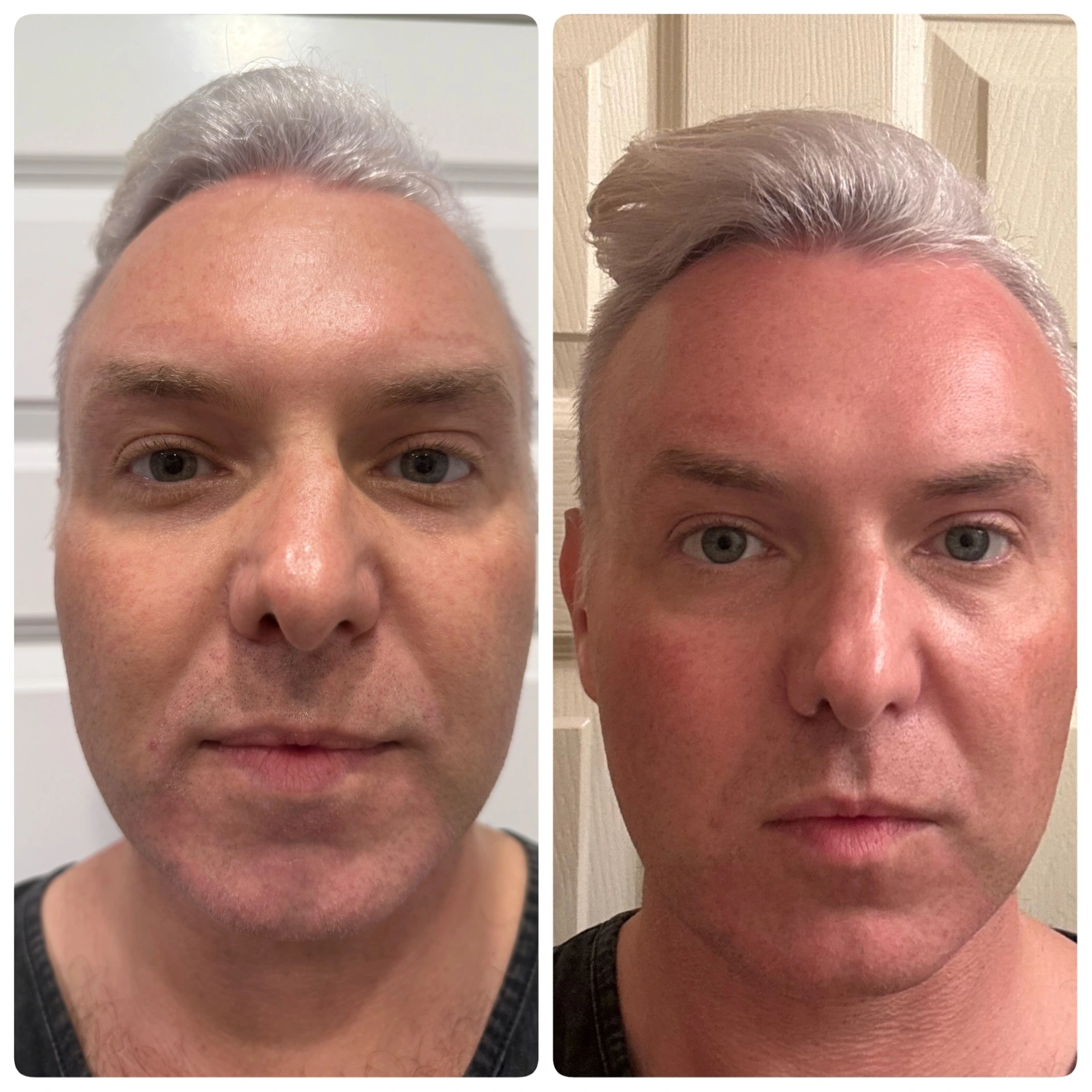
Most patients researching these two treatments have one or more specific concerns they want addressed. Matching the concern to the correct treatment layer is the most important step in this decision.
Which Treatment Matches Your Concern?
| Skin Concern | Better Choice | Why |
| Skin texture and surface irregularity | NeoGen | Works at the dermal level where texture originates |
| Crepey undereye skin | NeoGen | Safe periorbital use, improves skin architecture at surface |
| Post-inflammatory hyperpigmentation | NeoGen | Addresses pigmentation without melanin targeting risk |
| Acne scarring | NeoGen | Collagen rebuilding fills scar depressions from within dermis |
| Sun damage and age spots | NeoGen | Thermal energy improves both pigmentation and texture |
| Mild to moderate surface laxity | NeoGen | Dermal collagen and elastin rebuilding tightens surface layer |
| Deep jowling and jawline sagging | HIFU | SMAS-level tightening lifts structures below the skin surface |
| Brow descent and forehead laxity | HIFU | Focused ultrasound reaches fascia layer for genuine lift effect |
| Neck banding and platysma laxity | HIFU | Energy targets deeper structural layer beneath skin surface |
| Both surface quality and structural lift | NeoGen plus HIFU | Each treatment addresses a different tissue layer simultaneously |
The pattern is consistent: NeoGen addresses concerns at the skin surface and dermal layer. HIFU addresses concerns at the deeper fascial layer. A patient with both types of concerns may genuinely benefit from both treatments used together, which the combination section below addresses.
According to the American Society of Plastic Surgeons, non-surgical skin tightening procedures continue to grow as patients seek targeted structural improvement without surgical commitment. The growth reflects increasing patient sophistication about matching the right technology to the right concern, which is the core value this article delivers.
Is NeoGen or HIFU Safer for Patients With Darker Skin Tones?
This question matters significantly in Atlanta, where the patient population is genuinely diverse. It is a question most competitor articles skip entirely.
Both NeoGen and HIFU are generally considered safer for darker skin tones than laser treatments that rely on selective photothermolysis. Traditional lasers work by absorbing light energy through melanin, a chromophore. Because darker skin contains more melanin, these lasers carry elevated risk of post-inflammatory hyperpigmentation in skin types IV through VI.
NeoGen’s nitrogen plasma mechanism does not target chromophores or seek out melanin. The thermal energy is delivered into the dermis based on tissue response rather than pigment presence. This makes NeoGen suitable across all Fitzpatrick skin types when treatment planning and energy selection are performed appropriately.
HIFU also does not target melanin. Focused ultrasound energy passes through all skin layers to reach the SMAS without chromophore interaction. For darker skin tone patients whose primary concern is deep structural lift, HIFU is generally a safe option with appropriate provider experience.
The practical difference for darker skin patients lies in post-treatment management. NeoGen’s recovery window involves a bronzing and shedding phase over 7 to 10 days for high energy sessions. This phase requires consistent SPF discipline to protect the new skin from UV damage. HIFU’s lack of surface disruption means no recovery phase and no comparable post-treatment vulnerability.
BlueDivine Aesthetics in Atlanta has served a genuinely multiethnic patient population for 13 years. Every NeoGen patient receives a VISIA 3D Skin Analysis before treatment. VISIA maps UV damage beneath the surface, measures texture irregularity, assesses pigmentation patterns, and evaluates underlying skin health. This data determines whether surface rebuilding, deeper lifting, or a combination is most appropriate for that patient’s anatomy and concern. For more on NeoGen safety across skin tones, read our guide Is NeoGen Plasma Safe for Dark Skin Tones on the BlueDivine blog.
Which Treatment Gives More Natural-Looking Results?
This is one of the most common questions patients ask about non-surgical treatments, and it rarely gets a direct answer.
Neither NeoGen nor HIFU creates an unnatural appearance when performed appropriately by an experienced provider. They simply improve different tissue layers. What they produce is not a changed look but an improved version of the patient’s existing features.
NeoGen’s results develop gradually as collagen builds over weeks and months. Because the improvement is progressive, it does not create the kind of sudden change that looks treated. Patients typically report that people notice they look well-rested or healthier rather than identifying a specific treatment. The gradual nature of the collagen remodeling timeline is part of what keeps the outcome looking natural.
HIFU’s results also develop gradually over 3 to 6 months as the SMAS tissue responds to the coagulation points. The lift effect at the jawline and brow is structural rather than volumizing, which means it does not produce the over-filled or stretched appearance that patients sometimes associate with non-surgical treatments.
The risk to natural-looking results with either treatment comes from overtreatment or mismatched patient selection, not from the technology itself. A patient who receives HIFU when their primary concern is skin texture will not see satisfying results because the treatment is not addressing their actual concern. A patient who receives NeoGen when their primary concern is deep jowling will see skin improvement without the structural lift they wanted. Matching the treatment to the concern is what produces results that look natural and appropriate.
Which Treatment Is More Uncomfortable During and After the Session?
Patients ask about discomfort more than most providers acknowledge in their content. Both treatments involve some level of sensation. Neither requires general anesthesia. The experience differs in meaningful ways.
NeoGen Plasma During Treatment
NeoGen treatment produces a sensation of warmth on the skin. Most patients describe it as a mild to moderate heat, similar to a sunburn sensation during the session. Topical numbing cream is typically applied before treatment to reduce discomfort. The warmth is consistent throughout the treatment area. Most patients find it manageable. The outer skin layer is preserved throughout, meaning there is no sharp or raw sensation during treatment.
HIFU During Treatment
HIFU is often described as more uncomfortable during the session than NeoGen. The focused ultrasound pulses create a deep pressure or zapping sensation at the depth of the coagulation points. Some patients describe it as brief sharp sensations that occur repeatedly throughout the session. The discomfort is more concentrated and intermittent rather than the consistent warmth of NeoGen. Pain management options vary by provider, and patients with lower pain tolerance should discuss this before scheduling.
After Treatment
NeoGen’s post-treatment period involves the visible recovery of the skin: redness, bronzing, and natural shedding over 3 to 10 days depending on energy level. The skin may feel tight or sensitive during this phase. HIFU’s post-treatment experience is typically minimal. Mild tenderness or sensitivity in the treated area can occur in the days following a HIFU session, but most patients have no significant post-treatment discomfort.
Can NeoGen and HIFU Be Combined for Better Non-Surgical Results?
This is the section most competitor articles miss entirely, and it is the answer many patients actually need.
Because NeoGen and HIFU work at completely different depths and address completely different concerns, they are not competing treatments for the same patient. They are complementary treatments for patients who have both types of concerns.
A patient with meaningful structural descent at the jawline alongside skin quality issues, including texture irregularity, crepey undereye skin, and surface laxity, cannot fully address both concerns with either treatment alone. NeoGen rebuilds the dermal layer but does not reach the SMAS. HIFU lifts the SMAS but does not improve skin texture or tone. Used together with appropriate spacing, they address different layers of the face simultaneously.
In practice, providers often schedule HIFU first to achieve the structural lift effect, then follow with NeoGen to improve skin quality at the surface level once the deeper tissues have responded. The sequencing and spacing depend on individual presentation and provider assessment.
Not every patient needs both. A patient whose primary concern is surface skin quality with only mild laxity does not need HIFU. A patient whose primary concern is deep jowling with firm, good-quality skin does not need NeoGen. The combination is most appropriate for patients who genuinely have both structural descent and surface quality concerns that neither treatment can fully address alone.
At BlueDivine Aesthetics in Buckhead, Atlanta, combination treatment planning begins with a VISIA 3D Skin Analysis. VISIA evaluates surface UV damage, texture irregularity, pigmentation patterns, and collagen activity at a biological level. This data determines whether the primary concern is dermal in nature, structural and deeper, or both, and the protocol is designed accordingly. For a complete overview of NeoGen’s treatment timeline and results as a standalone treatment, read our NeoGen Plasma Complete Guide on the BlueDivine blog.
Pros and Cons of NeoGen vs HIFU
NeoGen PSR
| NeoGen PSR — Pros | NeoGen PSR — Cons |
| Rebuilds skin structure at the dermal level. Addresses texture, tone, laxity, scarring, and pigmentation in one session across the full treatment area. | Requires social downtime of 3 to 10 days depending on energy level. Not suitable for patients who need zero visible recovery time between treatment and an event. |
| Suitable across all Fitzpatrick skin types when treatment planning and energy selection are performed appropriately. Does not target melanin, reducing hyperpigmentation risk. | Multiple sessions may be needed for significant concerns. One session produces improvement, but complex scarring or advanced laxity may need 2 to 3 sessions spaced appropriately. |
| Results continue building for up to two years after a single session. Structural collagen improvement lasts significantly longer than most injectable alternatives. | Does not address deep structural descent at the SMAS level. For significant jowling or brow ptosis requiring fascial lifting, HIFU or surgery is more appropriate. |
HIFU
| HIFU — Pros | HIFU — Cons |
| Minimal to no social downtime for most patients. Treatment is completed in one session and most patients return to normal activity the same day. | Does not improve skin quality, texture, tone, or surface concerns. HIFU addresses structural lift only. Patients with surface concerns need a separate treatment. |
| Reaches the SMAS layer, the same structural layer tightened in a surgical facelift. Produces a genuine lifting effect that surface treatments cannot replicate. | In some patients, particularly those with naturally low facial fat, HIFU energy may contribute to unwanted facial volume reduction if settings are not appropriate for their anatomy. |
| Generally safe for all skin tones. Focused ultrasound does not target melanin and creates no surface disruption, making it accessible across Fitzpatrick types. | Results take 3 to 6 months to become fully visible and typically last 12 to 18 months. Patients seeking faster results or longer longevity may find the timeline limiting. |
Frequently Asked Questions
Is NeoGen better than HIFU for skin tightening?
Neither is universally better. They treat different structural layers. NeoGen is the stronger choice for skin quality concerns including texture, tone, surface wrinkles, crepey skin, and mild to moderate dermal laxity. HIFU is the stronger choice for deep structural lift of the jawline, brow, and neck at the SMAS level. Choosing based on the specific concern rather than a general preference produces the best outcome.
Can NeoGen replace HIFU for facial lifting?
Not for deep structural lifting at the SMAS level. NeoGen works within the dermis and produces meaningful surface firming and tightening. For patients with significant jowling, brow descent, or structural facial descent originating at the fascial layer, HIFU addresses that depth in a way NeoGen does not. For mild to moderate laxity without deep structural descent, NeoGen’s dermal tightening often provides satisfying results without needing HIFU.
Which lasts longer — NeoGen or HIFU results?
NeoGen results typically last up to two years because structural collagen improvement continues building for that period after treatment. HIFU results typically last 12 to 18 months as the SMAS tightening effect gradually relaxes with ongoing aging. For longevity, NeoGen has an advantage in most patient comparisons. Both benefit from maintenance sessions to sustain results over time.
Which treatment gives more natural-looking results?
Both treatments produce natural-looking results when performed appropriately and matched to the correct concern. Neither creates a treated or artificial appearance. NeoGen’s collagen remodeling develops gradually over weeks and months. HIFU’s structural lift also develops progressively over 3 to 6 months. The risk to natural-looking results comes from mismatched patient selection, not from the technology itself. Matching the treatment to the actual concern is what produces results that look natural.
Which treatment is more uncomfortable?
HIFU is generally described as more uncomfortable during the session. Patients often report brief, deep pressure or zapping sensations at the treatment depth. NeoGen produces a consistent warmth sensation during treatment that most patients find manageable, particularly with topical numbing cream applied beforehand. After treatment, NeoGen has a visible recovery phase of 3 to 10 days. HIFU typically has minimal post-treatment discomfort with no visible recovery period.
Can NeoGen and HIFU be combined in the same treatment plan?
Yes, and for some patients this combination addresses concerns that neither treatment can fully solve alone. NeoGen handles skin quality, texture, and dermal rebuilding at the surface level. HIFU handles deep structural lift at the SMAS layer. Used together with appropriate spacing they treat different tissue layers simultaneously. Not every patient needs both. A VISIA assessment helps determine whether the combination is genuinely appropriate or whether one treatment addresses the primary concern.
How BlueDivine Approaches NeoGen and Treatment Planning in Atlanta
BlueDivine Aesthetics at 107 West Paces Ferry Road in Buckhead has specialized in NeoGen PSR for over 13 years. Every patient begins with a VISIA 3D Skin Analysis that evaluates UV damage, collagen activity, texture, pigmentation, and skin health at a biological level before any protocol is designed.
Founder Kalen Wheeler’s board-certified expertise and long-standing focus on multiethnic skin care means every treatment at BlueDivine is calibrated for the individual patient’s anatomy, skin tone, and specific concern. A complimentary virtual consultation is available for anyone who wants to explore whether NeoGen, a combination approach, or another option is the right fit before booking in person.
Ready to find out which treatment is right for your skin?
Book a VISIA 3D Skin Analysis or a complimentary virtual consultation at BlueDivine Aesthetics, Buckhead Atlanta. Visit bluedivine.zenoti.com/webstoreNew/services to schedule.