You have done the research. You know NeoGen plasma is the treatment. But one question is still stopping you from booking: how much time do you actually need to take off, what will your skin look like, and can you realistically manage it around your work and social life?
These are the right questions. Most sources give you a range of days and a short list of what to avoid. What they rarely give you is an honest, stage-by-stage account of what your skin actually goes through from the day of treatment through the weeks that follow.
NeoGen PSR is FDA-cleared and used by BlueDivine Aesthetics in Buckhead, Atlanta as a flagship skin regeneration treatment. This guide covers exactly what happens to your skin day by day and week by week after a NeoGen session, including what surprises patients most, how skin tone affects what you see during recovery, and when you should contact your provider.
Why Is NeoGen Plasma Recovery Different From Other Skin Treatments?
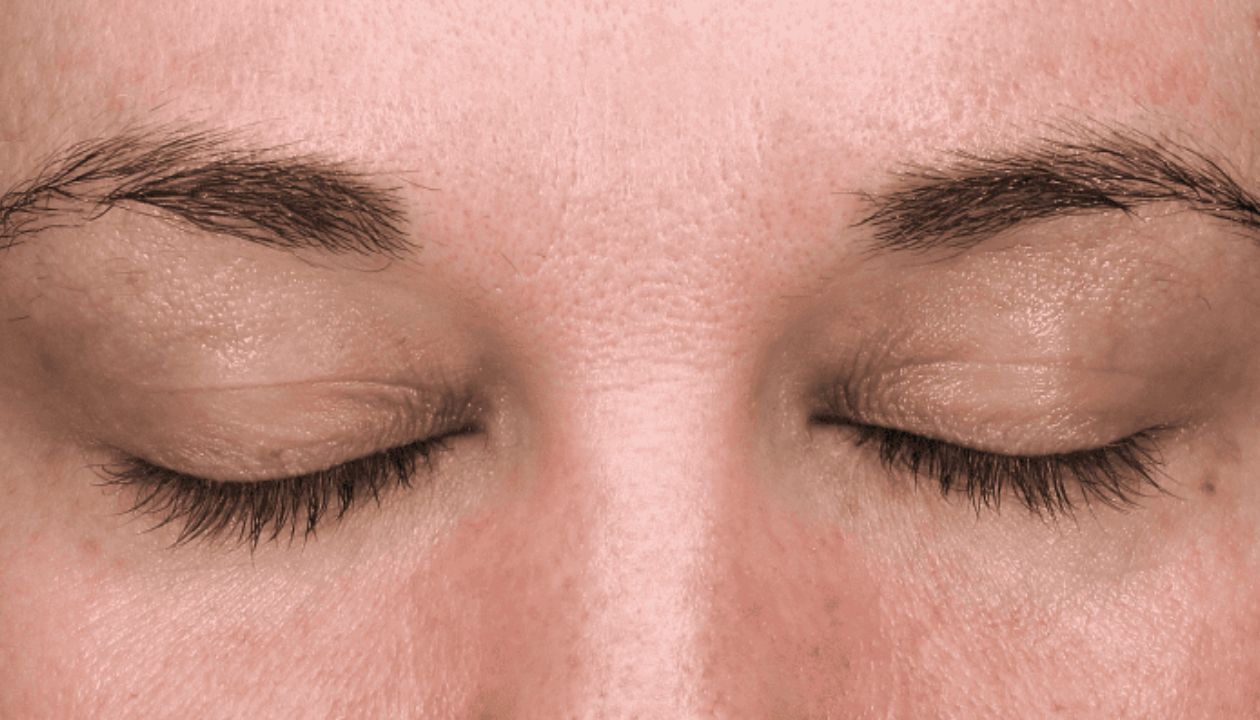
To understand NeoGen recovery, you need to understand one concept first: the outer skin layer stays intact throughout the entire process. This is what separates NeoGen from ablative laser treatments and makes the recovery look and feel fundamentally different.
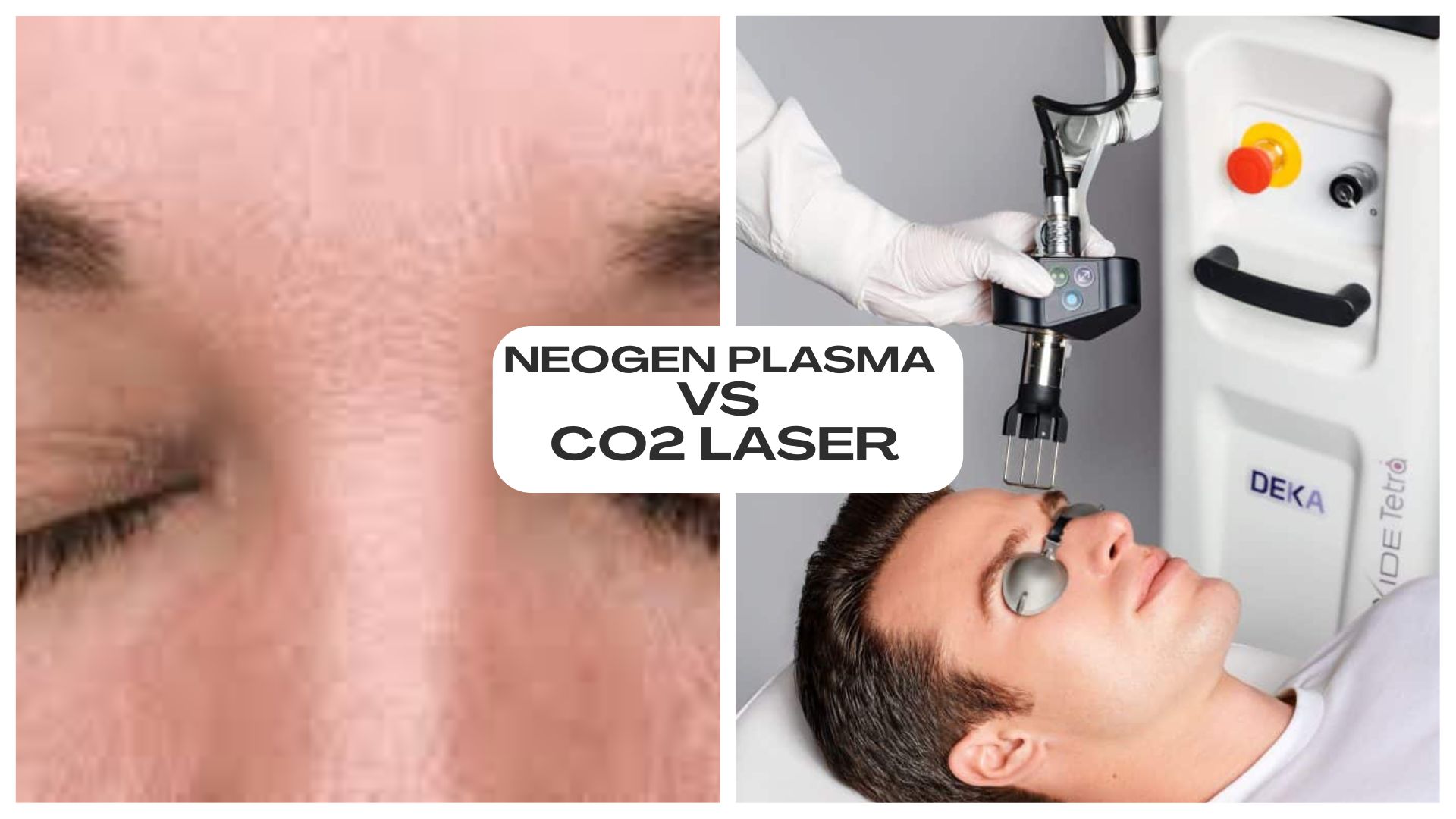
With ablative CO2 lasers, the outer layers of the skin are removed or vaporized. The skin is raw after treatment. Recovery involves weeping, crusting, and significant redness as the skin rebuilds from scratch. This is why CO2 recovery runs 10 to 14 days minimum for most patients.
NeoGen uses nitrogen plasma energy to deliver controlled thermal heat into the dermis without removing the outer skin layer. That outer layer acts as a natural protective dressing. The thermal signal triggers fibroblast activity, collagen remodeling, and elastin production deep below the surface. The skin looks intact throughout the process, not raw or open.
This single design difference explains why NeoGen recovery is shorter, less painful, and safer for a wider range of skin tones. The skin is not recovering from a wound. It is completing a structured regeneration process that happens largely below the surface while the outer layer gradually sheds on its own.
NeoGen Plasma vs CO2 Ablative Laser: Recovery Comparison
| Factor | NeoGen Plasma | CO2 Ablative Laser |
| Outer skin layer | Stays intact throughout healing | Removed or vaporized |
| Recovery appearance | Bronzing, then natural shedding | Raw, weeping, crusting |
| Social downtime | 3 to 10 days depending on energy | 10 to 14 days minimum |
| Pain level during recovery | Minimal to mild for most patients | Moderate to significant |
| Dark skin tone safety | Safe across all Fitzpatrick types | Elevated risk for types IV to VI |
| Results timeline | Builds over weeks and months | Initial results visible sooner, less deep remodeling |
How Does Treatment Energy Level Decide How Long Your Downtime Is?
NeoGen is not a single fixed treatment. The energy level used during your session directly determines how deep the thermal activity goes, how much collagen stimulation occurs, and how long your visible downtime lasts. Understanding which level applies to your situation helps you plan realistically.
Low Energy Sessions
Low energy NeoGen delivers a gentle thermal signal to the skin. Redness is mild and typically resolves within 24 to 48 hours. Very light bronzing may appear but is subtle. Most patients return to normal activities by day 2. Social downtime is minimal. Low energy sessions work well for patients with early aging concerns, those new to NeoGen, or anyone maintaining results from a previous session.
Medium Energy Sessions
Medium energy goes deeper and delivers stronger collagen stimulation. Redness is noticeable on days 1 to 2. The bronzing and darkening phase is visible around days 3 to 4 before shedding begins. Social downtime runs 4 to 7 days. Medium energy sessions address moderate skin laxity, textural aging, and accumulated sun damage. Most office workers plan around a long weekend or a short week of working from home.
High Energy Sessions
High energy NeoGen delivers the deepest thermal intensity and the strongest collagen rebuilding response. Significant redness and warmth appear on days 1 to 3. The bronzing phase is more pronounced. Active flaking and natural skin shedding runs days 5 to 10. Social downtime is 7 to 10 days. High energy sessions are best suited for advanced aging concerns, patients seeking maximum structural improvement in a single session, or those with deeper wrinkles and significant laxity.
NeoGen Downtime by Energy Level
| Energy Level | Social Downtime | Work From Home | Return to Office | Best For |
| Low Energy | 1 to 2 days | Day 1 to 2 | Day 2 to 3 | Maintenance, prevention, first-time patients |
| Medium Energy | 4 to 7 days | Day 3 | Day 6 to 7 | Moderate laxity, texture, sun damage |
| High Energy | 7 to 10 days | Day 4 to 5 | Day 10 to 11 | Advanced aging, deep collagen rebuilding |
Why Does BlueDivine Use VISIA 3D Skin Analysis Before Every NeoGen Session?
Many providers select NeoGen energy levels based on visual inspection alone. They look at the skin, estimate the concern, and apply a standard protocol. This approach works as a general starting point, but it leaves out critical information that changes the outcome.
BlueDivine Aesthetics uses VISIA 3D Skin Analysis before every NeoGen session without exception. VISIA evaluates the skin at a biological level that is not visible to the naked eye. It maps UV damage beneath the surface, measures texture irregularity, assesses pore condition, identifies pigmentation patterns, and evaluates underlying skin health before any treatment decision is made.
This data shapes the energy level selection, the session count, and the post-care protocol for each individual patient. A patient with deep UV damage and low skin density may need a different energy approach than a patient with similar visible aging but healthier underlying skin. VISIA makes that distinction visible before treatment rather than after.
For recovery planning, the VISIA assessment also helps identify patients whose skin health or history may affect their downtime length. Patients with compromised skin barriers, significant photo-aging, or other factors receive a tailored recovery protocol rather than a generic aftercare sheet. This is the difference between a recovery experience that is manageable and one that feels unpredictable.
What Happens to Your Skin Day by Day in the First Week?
This is the section most patients wish they had read before their treatment. What you see on your skin during the first week is predictable if you know what to look for. Each stage has a name and a reason.
Day 1 and Day 2 — Warmth and Redness Phase
The skin feels warm and tight immediately after treatment, similar to a moderate sunburn. Redness is visible. Mild swelling is common, particularly around the eyes and cheeks, especially if those areas were treated. The outer skin layer is completely intact. There are no raw areas, no weeping, and no open skin.
Pain level is minimal for most patients. Gentle, non-active cleansers and fragrance-free moisturizers are used during this phase. Avoid makeup unless your provider advises otherwise. No direct sun exposure. Working from home is manageable for most patients by day 2. Sleeping with the head slightly elevated reduces swelling around the eyes.
Day 3 and Day 4 — The Bronzing and Darkening Phase
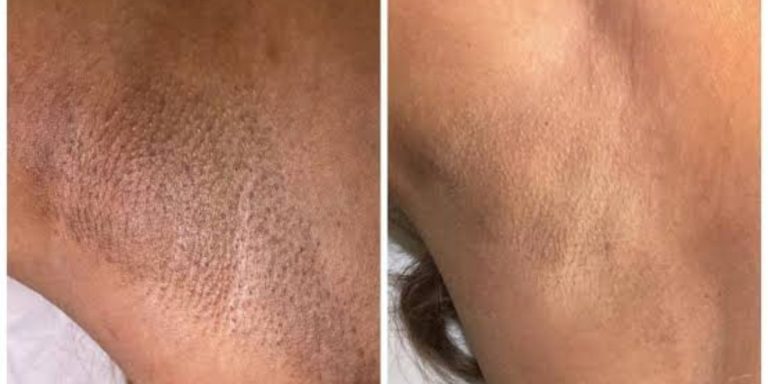
This is the stage that surprises patients who are not prepared for it. The skin develops a bronzed or darkened appearance on days 3 and 4. For lighter skin tones, it looks like a deep tan. For medium to deeper skin tones, it may appear as concentrated dark areas across the treated zone.
This bronzing phase is typically a normal part of NeoGen recovery and should not be confused with post-inflammatory hyperpigmentation. It signals that the outer skin layer is completing its role as a biological dressing before it sheds naturally. If you have concerns about unexpected discoloration, contact your provider. Do not pick at the skin during this phase under any circumstances.
Day 5 to Day 7 — Shedding and Renewal Phase
The outer skin layer begins to shed naturally from day 5 onward. Flaking appears and gradually increases before easing off. The skin beneath is smoother, lighter in tone, and more refined in texture than the pre-treatment skin. This is the new skin emerging.
The shedding should be allowed to happen naturally. Manually removing flaking skin delays healing and risks disrupting the new layer beneath. For low energy patients, shedding is often largely complete by day 5 or 6. For medium and high energy patients, it continues through days 6 to 8. Mineral-based makeup can typically begin once the majority of flaking has settled, around day 6 or 7 for lower intensity sessions.
Day 8 to Day 10 — Surface Recovery Completing
For medium energy patients, surface recovery is largely complete by day 8. The skin has a noticeably different quality at this stage: smoother texture, reduced surface lines, more even tone, and a natural healthy glow that patients often describe as unexpected. Mild pinkness may remain but is easily covered with mineral makeup.
For high energy patients, days 8 to 10 mark the final phase of visible shedding. Full surface recovery is complete by day 10 for most. Social activities can resume. Regular skincare, including SPF, is back in full use.
What Should You Expect Between Week Two and Week Four?
Week two marks the beginning of normal life again for most patients. Surface recovery is complete. The skin looks and feels like itself. Regular skincare, makeup, and social activity all resume. Follow your provider’s guidance before resuming exercise, particularly intense cardio or activities that generate significant body heat.
Something shifts in week three and four that patients appreciate once they understand what it means. Fine lines start looking softer. Skin texture is more refined. Overall tone is more even. Patients often describe the skin at this stage as looking rested, clearer, and brighter. This is not the final result. This is the first signal that the collagen remodeling underneath has started and is working.
Sun protection during this window is not optional. New skin emerging after NeoGen is more photosensitive than pre-treatment skin. Daily SPF use during weeks two through four is critical to protecting the new skin and ensuring the collagen investment is not undermined by UV damage. In Atlanta, where year-round UV exposure is high, BlueDivine Aesthetics builds post-NeoGen sun management directly into the care protocol for every patient. For more on the full recovery and results timeline, see our complete NeoGen Plasma Complete Guide on the BlueDivine blog.
When Do You Actually See NeoGen Results After Downtime Ends?
This is the single most important distinction in NeoGen recovery: surface healing and structural results are not the same thing, and they do not happen on the same timeline.
Surface healing refers to the visible recovery period. The redness, bronzing, shedding, and return to normal skin appearance. This completes within 1 to 2 weeks depending on energy level. When your skin looks recovered, surface healing is done.
Structural collagen remodeling is what delivers the real NeoGen result. This process begins in the weeks following treatment and continues long after the surface looks normal. Visible structural improvement, including firmer skin, reduced lines, improved laxity, and better tone, becomes noticeable between weeks 4 and 12. Peak collagen density and the fullest visible improvement is typically seen at months 3 to 6. Collagen building continues for up to two years after a single session.
A patient who looks at their skin on day 14 and thinks the results are underwhelming is looking at the beginning of the process, not the end. According to Future Market Insights, the global plasma skin regeneration market continues to expand precisely because patients and providers recognize the depth and longevity of collagen-based structural improvement that plasma technology delivers compared to surface-only treatments. The result that matters is not what the skin looks like when the shedding stops. It is what the skin looks like at month 3, month 6, and month 12.
Does Your Skin Tone Change How NeoGen Recovery Looks?
This is a question no competitor article addresses. It matters significantly, especially for patients with medium to deeper skin tones who may have had negative experiences with other energy treatments.
NeoGen’s nitrogen plasma mechanism does not rely on chromophore absorption. Traditional lasers target melanin or other pigments in the skin, which is why they carry elevated risk for post-inflammatory hyperpigmentation in darker Fitzpatrick types. NeoGen does not work through that mechanism. The thermal energy is delivered into the dermis regardless of melanin concentration, making it suitable across all skin tones when properly planned.
However, what recovery looks like varies by skin tone, and patients deserve to know this before they see it.
For lighter skin tones (Fitzpatrick I to III): the bronzing phase on days 3 to 4 appears as a uniform tan-like color across the treated area. Shedding follows in a fairly even pattern. Recovery is straightforward and predictable.
For medium to deeper skin tones (Fitzpatrick IV to VI): the bronzing phase may appear darker and more concentrated. The contrast between treated and untreated areas can look more pronounced. This bronzing is typically a normal part of recovery and not a sign of hyperpigmentation. The shedding phase follows the same pattern as lighter skin tones, and the new skin emerging underneath is healthy and normal. If you notice unexpected discoloration that concerns you, contact your provider rather than waiting.
The most important post-recovery instruction for all skin tones is consistent, high-SPF sun protection during weeks two through four. Patients with deeper skin tones or any history of hyperpigmentation should be especially disciplined about this. BlueDivine Aesthetics in Atlanta has served a genuinely multiethnic patient population for 13 years. The VISIA 3D assessment before every NeoGen session includes skin tone evaluation and pigmentation mapping, which directly informs both the energy level selection and the specific post-care protocol. For more detail on NeoGen safety across skin tones, read our guide Is NeoGen Plasma Safe for Dark Skin Tones on the BlueDivine blog.
Why Does Recovery Look Different From Person to Person?
Two patients can receive the same NeoGen energy level on the same day and have noticeably different recovery experiences. This is not a sign that one treatment worked and the other did not. It is a reflection of how many variables affect the healing process.
Age affects recovery pace. Younger skin generally has a more robust healing response and may complete the shedding phase faster than older skin. This does not mean older patients get worse results. Structural collagen improvement is significant across all adult age groups. The surface recovery phase may simply take a few extra days.
Skin health at the time of treatment matters significantly. Patients whose skin is well-hydrated, barrier-intact, and free of active inflammation tend to experience a more organized and faster recovery. Patients with compromised skin barriers, significant dryness, or prior UV damage may find that their shedding phase takes slightly longer or appears more uneven.
Lifestyle factors play a role that most providers do not discuss openly. Smoking reduces microcirculation and slows the skin’s healing response. A history of significant sun exposure weakens the skin’s structural capacity before treatment even begins, which can affect how efficiently the skin regenerates after NeoGen. Patients who maintain consistent hydration, avoid alcohol in the recovery window, and follow their provider’s aftercare protocol closely tend to have cleaner and faster recoveries than those who do not.
Adherence to aftercare instructions is the variable most within a patient’s control. The patients who pick at flaking skin, use active products too early, or skip SPF consistently are the ones who extend their own downtime and risk uneven results. Following the protocol is not optional. It is part of the treatment.
When Should You Contact Your Provider During NeoGen Recovery?
Most NeoGen recovery is uneventful when patients follow their aftercare protocol. However, certain signs during recovery fall outside the expected range and should be reported to your provider promptly rather than managed at home.
Contact your provider if swelling worsens after the first 3 days rather than improving. Some swelling in days 1 to 2 is normal, particularly around the eyes and cheeks. Swelling that is increasing on day 4 or day 5, rather than reducing, is a signal that needs professional assessment.
Contact your provider if pain increases rather than decreasing after day 2 or 3. Discomfort in the immediate post-treatment period is expected. Pain that is intensifying several days later is not part of the normal recovery pattern.
Contact your provider if you notice signs of infection in the treated area. These include increasing warmth concentrated in one spot, unusual discharge, or skin that looks red and swollen in a way that is localized rather than general. Infection after NeoGen is uncommon but not impossible, and early treatment is always better than delayed response.
Contact your provider if you experience unexpected blistering. Some patients with certain skin conditions or sensitivities may react differently from the expected pattern. Blistering that was not present in the first 48 hours but appears later should be reviewed.
Contact your provider if you develop a fever or systemic symptoms such as chills or significant fatigue during the recovery period. These are not typical NeoGen recovery symptoms and should be assessed by a professional promptly.
Contact your provider if you notice unexpected discoloration that does not follow the normal bronzing and shedding pattern, particularly if it persists beyond the expected shedding phase without resolving. At BlueDivine Aesthetics, every patient has direct access to provider guidance after their NeoGen session. Knowing when to reach out is part of a safe and successful recovery.
What Actually Speeds Up Recovery and What Makes It Longer?
Generic aftercare advice covers SPF and moisturizer. That is the minimum. What actually moves the needle on recovery length and quality goes deeper than that, and it starts before your treatment even begins.
Before Your Treatment
Patients who prepare their skin properly in the weeks before NeoGen experience a more organized and faster shedding phase. A barrier-supporting skincare routine with gentle cleansers, consistent hydration, and light retinol use in the weeks leading up to treatment helps the skin enter the recovery process in a stronger condition. BlueDivine provides a pre-treatment protocol to every patient tailored to their current skin condition and the energy level planned.
During Recovery — What Helps
Consistent topical hydration with fragrance-free, non-active moisturizers supports the shedding phase and keeps the new skin comfortable as it emerges. Mineral-based SPF applied consistently from day 2 onward protects the skin from UV during its most photosensitive period. Internal hydration, drinking adequate water through the recovery window, supports the skin’s healing response at a cellular level. Sleeping with the head elevated for the first 2 to 3 nights reduces swelling, particularly around the eyes.
During Recovery — What Extends Downtime
Picking or manually pulling flaking skin is the single most common cause of extended recovery. The flaking should shed naturally. Assisting it disrupts the new skin layer forming beneath and increases the risk of uneven recovery. Applying active skincare products, including retinol, glycolic acid, vitamin C, or exfoliating acids, before receiving clearance from your provider can irritate skin that is in active recovery and delay healing significantly.
Steam rooms, saunas, intense cardio exercise, and direct sun exposure should all be avoided for at least 2 weeks after medium and high energy sessions. These activities generate heat and inflammation that interfere with the organized recovery process. Sun exposure during the recovery window is the most damaging mistake a patient can make after NeoGen because the new skin is significantly more photosensitive than pre-treatment skin.
Pros and Cons of NeoGen Plasma Downtime
| Pros | Cons |
| Downtime is shorter and more manageable than ablative laser treatments. The outer skin layer stays intact, which means no raw or weeping skin during recovery. | Visible downtime still occurs, especially with medium and high energy sessions. Patients can expect 4 to 10 days where the skin looks noticeably bronzed, darkened, or flaking. |
| Recovery is predictable and follows a clear stage-by-stage process. Patients who understand what to expect at each stage report significantly lower anxiety during healing. | The bronzing and darkening phase on days 3 to 4 can be surprising if patients are not prepared. Pre-treatment counseling helps set accurate expectations for this normal stage. |
| Safe recovery for all skin tones including darker Fitzpatrick types. NeoGen’s plasma mechanism does not target melanin, reducing hyperpigmentation risk common with other energy devices. | Sun exposure must be avoided for at least 2 to 4 weeks post-treatment. Patients in high UV climates like Atlanta need consistent SPF discipline during and after recovery. |
| Structural results continue building long after surface recovery ends. Collagen remodeling that drives the real outcome continues for up to two years after a single session. | Patients who judge results at day 14 will underestimate the treatment. The most significant improvement is visible at months 3 to 6, not in the immediate post-recovery window. |
Frequently Asked Questions
How many days off work do I need after NeoGen plasma?
It depends on the energy level used. Low energy sessions typically need 1 to 2 days of reduced social activity. Medium energy sessions need 4 to 7 days, with working from home manageable from day 3. High energy sessions need 7 to 10 days total. Most patients can work from home after day 4 or 5 for high energy sessions. Physical office return is realistic by day 10 for all energy levels. BlueDivine discusses work and schedule planning during every pre-treatment consultation.
Is the skin darkening after NeoGen normal or a sign of damage?
The bronzing and darkening that appears on days 3 and 4 is typically a normal part of NeoGen recovery and should not be confused with post-inflammatory hyperpigmentation. It signals that the outer skin layer is completing its role as a biological dressing before shedding naturally. If you have concerns about unexpected or persistent discoloration, contact your provider rather than waiting. Do not pick at the skin during this phase.
Can I wear makeup during NeoGen plasma recovery?
Avoid makeup unless your provider advises otherwise during the active redness and bronzing phases, typically days 1 through 5 for medium energy sessions. Once the majority of flaking has settled, usually around day 6 or 7, mineral-based makeup can be applied gently. Regular foundation and concealer can return after surface recovery is complete, around day 8 to 10. Your provider will confirm the right timing based on your specific session intensity and skin response.
How is NeoGen plasma recovery different from CO2 laser recovery?
CO2 ablative laser removes the outer skin layers, leaving the skin raw and requiring 10 to 14 days of significant recovery including weeping and crusting. NeoGen preserves the outer skin layer entirely, which acts as a natural protective barrier throughout healing. NeoGen recovery involves bronzing and natural shedding rather than raw skin. Social downtime is shorter, pain level is lower, and the risk of post-inflammatory hyperpigmentation in darker skin tones is significantly reduced because NeoGen does not target melanin the way lasers do.
When should I schedule NeoGen plasma before a big event?
Schedule NeoGen at least 4 to 6 weeks before any significant event. Surface recovery completes within 1 to 2 weeks, but the visible skin quality improvement that makes the treatment worth doing, smoother texture, firmer tone, and reduced lines, develops between weeks 3 and 12. Scheduling 6 weeks before an event gives you full surface recovery plus the beginning of visible structural improvement, which is the ideal window for looking noticeably better on the day.
Is NeoGen plasma recovery different for darker skin tones?
The recovery stages are the same for all skin tones, but the visual appearance during the bronzing phase differs. Patients with medium to deeper skin tones may see a more pronounced darkening on days 3 and 4 compared to lighter skin tones. This bronzing is typically a normal part of recovery. If you notice unexpected discoloration, contact your provider. Post-treatment SPF is especially important for all skin tones during weeks two through four. BlueDivine uses VISIA 3D Skin Analysis before every session to tailor protocols for every skin type safely.
How BlueDivine Prepares You for NeoGen Recovery in Atlanta
BlueDivine Aesthetics at 107 West Paces Ferry Road in Buckhead has offered NeoGen PSR for over 13 years. Recovery preparation is built into every patient experience from the first consultation forward.
Every NeoGen patient receives a VISIA 3D Skin Analysis before treatment. This assessment maps UV damage, texture, pigmentation, and underlying skin health at a biological level before the energy level and protocol are selected. Patients leave their appointment knowing exactly what to expect at each stage of recovery, which products to use, what to avoid, and when to reach out if something looks unexpected.
A complimentary virtual consultation is available for anyone who wants to ask questions about NeoGen recovery before booking an in-person session.
Ready to plan your NeoGen treatment and recovery?
Book a VISIA 3D Skin Analysis or a complimentary virtual consultation at BlueDivine Aesthetics, Buckhead Atlanta. Visit bluedivine.zenoti.com/webstoreNew/services to schedule.